Russia Rolls Out New Regulations for Retail Crypto Investors
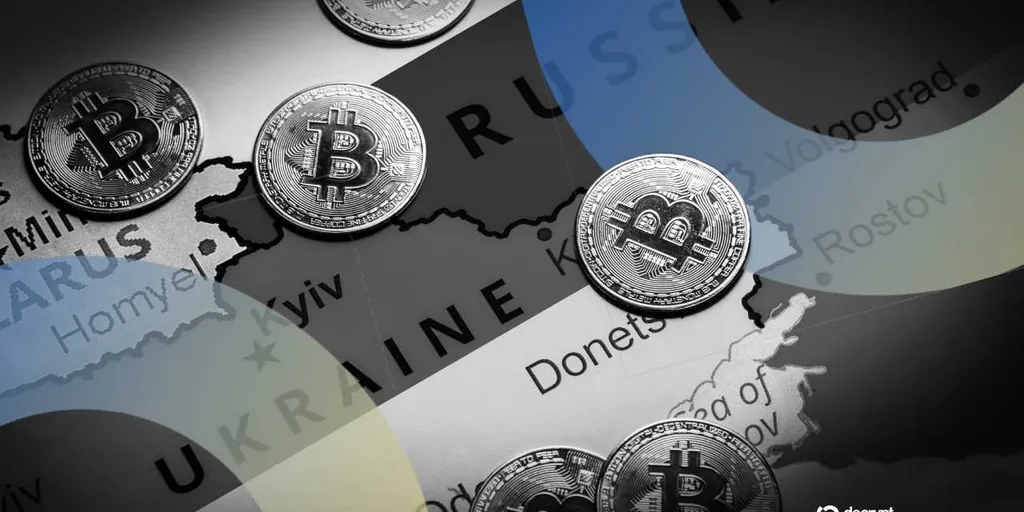
Russia's central bank is establishing a restrictive regulatory framework for retail crypto investors, focusing on investor education and purchase limits amidst international sanctions. These rules aim to safeguard ordinary citizens while navigating a growing digital asset landscape.
Written by CoinArticle’s AI Newsroom · from 1 cited source. How we work
Russia Rolls Out New Regulations for Retail Crypto Investors
Russia's central bank is advancing new cryptocurrency regulations that will significantly restrict how ordinary citizens engage in digital asset markets. This proposed framework is designed to address the ongoing challenge posed by international sanctions while establishing a comprehensive approach to cryptocurrency oversight.
New Requirements for Non-Qualified Investors
At the heart of the regulatory changes is a limitation on non-qualified investors, who will only be allowed to purchase the most liquid cryptocurrencies available. This marks a decisive shift from the relatively unregulated environment that has characterized retail crypto trading in Russia.
The new regulations will mandate a knowledge assessment that potential investors must complete to gain permission to buy digital assets. This educational requirement is intended to ensure that retail participants are well-informed of the risks involved in cryptocurrency investments before they commit their funds.
Purchase Caps and Market Access
One of the most significant aspects of the upcoming regulations is the introduction of an annual purchase limit of 300,000 rubles (approximately $3,800) for non-qualified investors. This cap restricts everyday Russian citizens regarding the amount they can invest in cryptocurrency within a 12-month period, irrespective of their financial capacity.
Furthermore, the limitation on liquid cryptocurrencies suggests that regulatory authorities will maintain a whitelist of approved digital assets, although no specific cryptocurrencies have been identified in the announcement thus far.
Regulatory Context
These stricter crypto regulations emerge in the context of Russia's ongoing adaptation to international economic sanctions. The nation has shown increasing interest in cryptocurrency, perceiving it as both a potential tool for evading sanctions and a burgeoning asset class that necessitates proper regulatory control.
By implementing knowledge tests and purchase ceilings, Russia's central bank appears to be striking a balance between enabling controlled access to crypto markets and protecting retail investors from excessive risk exposure.
Implications for the Russian Crypto Market
The introduction of these regulations will fundamentally alter how average Russians engage with cryptocurrency. The annual cap of $3,800 positions crypto as a limited investment option for most retail participants, rather than a viable primary asset class. Conversely, qualified investors, typically those meeting specific income or asset thresholds, are likely to retain broader market access.
This framework underscores Russia's commitment to regulating its domestic crypto ecosystem while acknowledging the technology's growing significance in the global financial landscape.
Why It Matters
For Traders
Drafting a careful trading strategy will be key as new restrictions shape market dynamics, limiting the assets available for trading.
For Investors
Long-term investors should prepare for changes in market accessibility, particularly for non-qualified investors, as regulatory controls could impact liquidity and opportunities.
For Builders
Developers should consider how these regulations may affect the crypto landscape in Russia, potentially creating new niches and opportunities for compliant solutions.
This article is for information only and is not financial advice. Read the full disclaimer.