Sberbank Ventures into Crypto-Backed Lending Amid Regulatory Talks
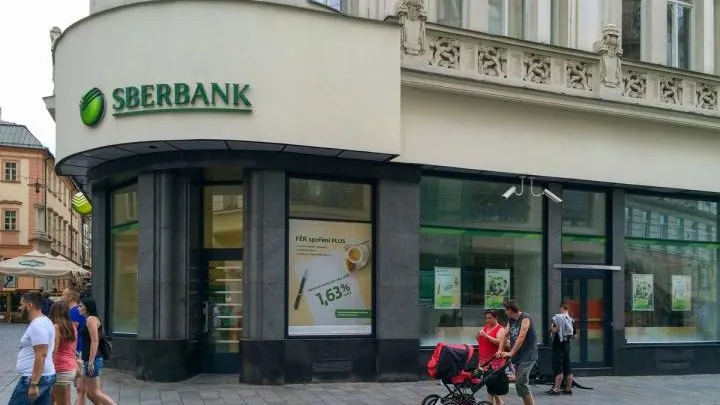
Sberbank, Russia's largest bank, is eyeing the introduction of crypto-backed loans, signaling a shift in the country's banking sector. This move hinges on regulatory collaboration and could set the stage for a new era in digital asset integration within finance.
Written by CoinArticle’s AI Newsroom · from 1 cited source. How we work
Key Takeaways
- 1Validate cryptocurrency as collateral for institutional lending
- 2Inspire other Russian banks to pursue similar service offerings
- 3Accelerate clarity on regulatory frameworks surrounding digital asset services
- 4Offer crypto holders enhanced liquidity options without necessitating the sale of their holdings
Russia's Sberbank Explores Crypto-Backed Lending Services
Russia's largest financial institution, Sberbank, is strategically advancing toward incorporating cryptocurrency services into its operations. With plans for crypto-backed loans currently awaiting regulatory green lights, the bank is positioning itself to take advantage of emerging digital assets in the financial landscape.
Strategic Move Toward Digital Assets
Sberbank, the dominant player in Russia's banking sector, is actively considering the introduction of crypto-backed loan products. According to Anatoly Popov, Deputy Chairman of the Management Board, the bank acknowledges the increasing significance of digital assets and aims to fulfill anticipated market demand with innovative offerings.
This initiative marks a pivotal transition for traditional banking in Russia, as leading financial institutions begin to seek practical applications for cryptocurrencies beyond mere speculation.
Regulatory Collaboration Critical
Popov stressed that collaboration with regulatory bodies will be crucial in rolling out these services. Sberbank is committed to working extensively with Russian regulators to establish the necessary infrastructure and compliance frameworks for robust crypto-backed lending operations.
This proactive approach underscores the bank’s commitment to compliance and risk management over hasty implementation. Ultimately, the feasibility of these plans will hinge on how Russian regulatory authorities shape the oversight of such financial products.
Implications for Russia's Crypto Landscape
Sberbank's foray into crypto-backed loans indicates a potential normalization of digital assets within Russia's financial system. As the nation's largest bank, Sberbank's interest in this sector could:
- Validate cryptocurrency as collateral for institutional lending
- Inspire other Russian banks to pursue similar service offerings
- Accelerate clarity on regulatory frameworks surrounding digital asset services
- Offer crypto holders enhanced liquidity options without necessitating the sale of their holdings
This development also mirrors a global trend where traditional financial institutions worldwide are increasingly integrating cryptocurrency services into their operations while ensuring compliance with regulatory mandates.
Looking Ahead
While Sberbank has confirmed its intentions regarding crypto-backed lending, the timeline for these services to launch remains uncertain. The bank's focus on regulatory collaboration signifies a deliberate and thoughtful approach to implementation rather than a hasty rollout.
This progression is another chapter in Russia's evolving relationship with cryptocurrency, as the country continues to navigate the delicate balance between pioneering innovations in digital finance and enforcing regulatory oversight and economic policies.
Why It Matters
For Traders
As Sberbank dives into crypto-backed loans, traders may find new opportunities in the evolving landscape of digital assets linked directly to traditional banking practices.
For Investors
Long-term investors could see increased legitimacy for cryptocurrencies, leading to greater institutional adoption and potential appreciation in asset value as banks like Sberbank offer new financial products.
For Builders
Developers and builders in the crypto space should consider the implications of major financial institutions entering the market, as it may catalyze demand for innovative solutions and compliant infrastructures tailored to the banking sector's needs.
This article is for information only and is not financial advice. Read the full disclaimer.