SEC Approves Trading of Tokenized Securities with Traditional Stocks
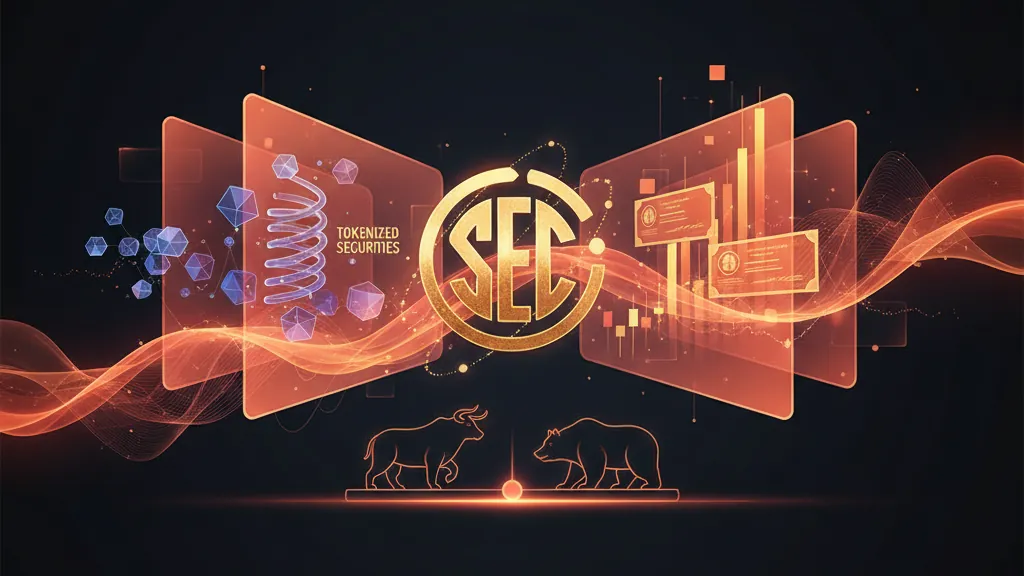
The SEC has officially approved Nasdaq's new rule allowing tokenized securities to trade alongside traditional stocks. This landmark decision marks a pivotal moment in integrating blockchain technology into the U.S. financial system.
Written by CoinArticle’s AI Newsroom · from 1 cited source. How we work
SEC Approves Tokenized Securities to Trade Alongside Traditional Stocks
In a landmark decision, the U.S. Securities and Exchange Commission (SEC) has officially approved a new rule proposed by Nasdaq that will allow the trading of tokenized securities to take place alongside traditional stocks. This development is part of a broader initiative to integrate blockchain technology within existing financial systems, presenting new opportunities and challenges for market participants.
What Are Tokenized Securities?
Tokenized securities are digital representations of ownership in an asset, typically issued on blockchain platforms. By converting traditional securities into tokens, they can benefit from enhanced transparency, security, and efficiency offered by blockchain technology. This approval allows these digital assets to operate within the established frameworks of U.S. markets, creating a hybrid model where both traditional stocks and tokenized securities can coexist.
The Role of Nasdaq and the SEC
Nasdaq has been at the forefront of innovation in financial markets, and this latest decision reaffirms its commitment to exploring new technologies that improve market efficiency. The SEC's approval is critical, as it acknowledges the potential of tokenization while maintaining regulatory oversight to ensure investor protection and market integrity.
The trading of tokenized securities will take place within the existing market structure, allowing for smoother integration into the current investment landscape. This move is expected to promote liquidity and broaden access for investors, especially those interested in emerging asset classes.
Why It Matters
For Traders
The approval of tokenized securities means more investment options within the existing market framework. Trading tokenized assets alongside traditional stocks could lead to increased volatility and trading volume, attracting new participants to the market. Additionally, the digital nature of these assets may offer faster settling times and lower transaction costs, enhancing trading strategies.
For Investors
Investors stand to benefit from diversification opportunities presented by tokenized securities. The potential for fractional ownership makes investments more accessible, allowing smaller investors to participate in previously unreachable markets. As regulatory clarity emerges, confidence in these new financial instruments is likely to grow, encouraging wider adoption among both retail and institutional investors alike.
For Builders
For developers and companies in the blockchain space, the SEC's approval opens the door for innovation in digital asset creation and management. Startups can now explore tokenization strategies for various asset classes, from real estate to commodities, while adhering to regulatory guidelines. This environment could foster collaboration between traditional financial institutions and blockchain innovators, leading to new products and services that leverage the strengths of both worlds.
Conclusion
The SEC's approval of Nasdaq's rule is a significant step toward integrating tokenized securities into the U.S. financial landscape. It sets the stage for a more dynamic market that meets the needs of a diverse range of investors and traders, all while maintaining essential regulatory safeguards. As the landscape evolves, stakeholders should remain vigilant and adaptable to the ongoing changes shaping the future of finance.
This article is for information only and is not financial advice. Read the full disclaimer.