SEC's Tokenized Stock Framework Could Force Exchanges to Clarify Investor Ownership Rights
The SEC is developing regulatory guidance on tokenized stocks that could require crypto exchanges to clarify whether listed tokens represent actual ownership or merely track underlying assets. The framework may force exchanges to obtain issuer consent before listing tokens tied to real companies like Tesla or Apple.
Written by CoinArticle’s AI Newsroom · from 1 cited source. How we work
The Core Question
The SEC is working toward a regulatory framework for tokenized stocks that hinges on a fundamental distinction: whether a token listed on a crypto exchange represents genuine ownership of an underlying security or merely tracks its price. The agency's approach could require exchanges to obtain explicit consent from the companies whose stocks are tokenized before permitting such tokens to trade on their platforms.
What's at Stake for Exchanges
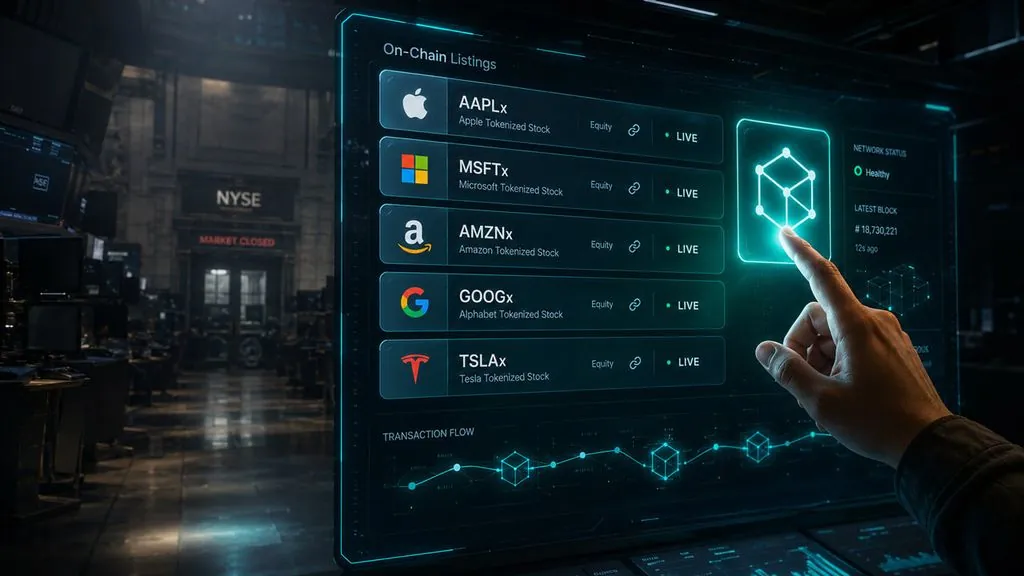
Under a stricter interpretation, crypto exchanges that list tokenized versions of Tesla, Apple, Nvidia, or other major equities without those companies' approval could face enforcement action. The framework would likely force exchanges to either partner directly with issuers or delist such tokens entirely. This represents a meaningful shift from the current environment, where many tokenized stock products trade with minimal regulatory coordination between the exchange and the underlying company.
Broader Implications for the Market
The tokenized stock question is emerging as the next major regulatory battleground in crypto, distinct from earlier fights over Bitcoin classification or stablecoin reserve requirements. How the SEC resolves it will determine whether the sector can build a parallel financial infrastructure around traditional assets or whether such products remain tethered to explicit consent from legacy markets.
Why It Matters
For Traders
Exchanges listing tokenized stocks face potential delisting risk if SEC enforcement tightens; check issuance terms before entering positions in these products.
For Investors
Regulatory clarity on tokenized stocks could unlock institutional adoption of on-chain equities, but stricter consent requirements may limit product availability near-term.
For Builders
Token issuers and infrastructure providers should prepare for compliance workflows that require direct coordination with underlying asset issuers or risk enforcement action.
This article is for information only and is not financial advice. Read the full disclaimer.