U.S. Senate Passes Housing Bill With Four-Year Fed CBDC Ban
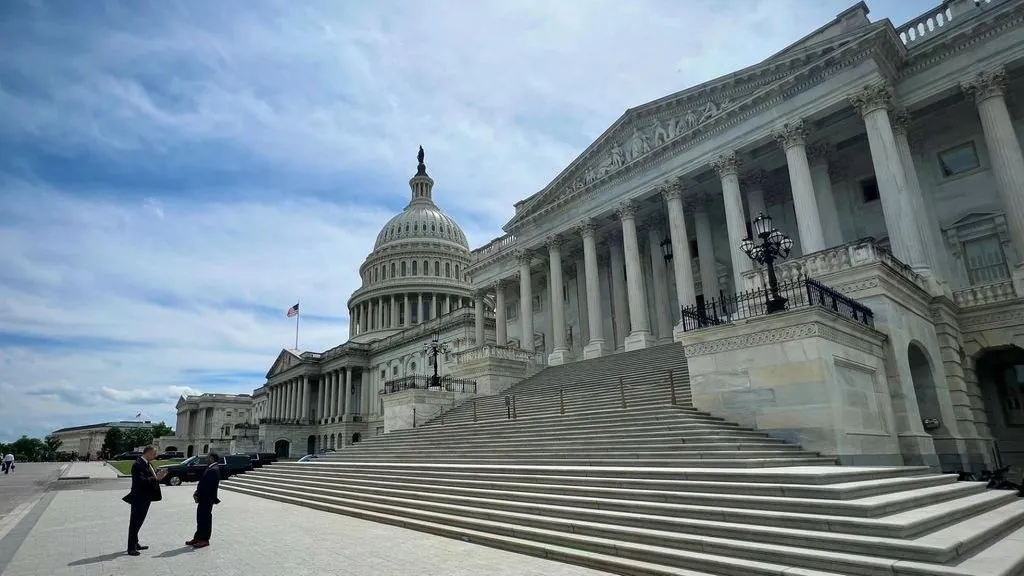
The U.S. Senate passed a housing bill Tuesday that includes a four-year prohibition on the Federal Reserve developing a central bank digital currency without explicit Congressional approval. The measure marks the first legislative restriction on CBDC research at the Fed.
Written by CoinArticle’s AI Newsroom · from 1 cited source. How we work
Senate Action on CBDC Restrictions
The U.S. Senate voted to pass a housing package that includes language preventing the Federal Reserve from issuing or circulating a CBDC for four years without direct Congressional authorization. The provision prohibits the Fed from conducting any pilot programs or issuing a CBDC to individuals during this period, effectively halting current CBDC research efforts at the central bank.
Federal Reserve's Current CBDC Stance
The Federal Reserve has treated CBDC development as an exploratory research area rather than an active policy priority. The central bank published a white paper in 2022 outlining potential design considerations for a U.S. CBDC but has not committed to issuance or fielded any public pilot programs involving retail distribution. The Fed has maintained that any decision to pursue a CBDC would require authorization from Congress and approval from the President.
Legislative Landscape
This Senate passage represents the first formal legislative action restricting CBDC development in the United States. Concerns raised by lawmakers centered on financial stability, privacy, and the need for deliberate policy consensus before the Fed proceeds with a digital dollar. The measure now moves to the House for consideration.
Why It Matters
For Traders
Legislative certainty on CBDC timelines reduces regulatory tail risk for dollar-denominated stablecoins over the next four years, though impact is modest.
For Investors
A formal statutory prohibition signals Congress views CBDC rollout as requiring broad consensus; this favors time for private crypto and stablecoin ecosystems to mature.
For Builders
The four-year window provides clearer regulatory guardrails for stablecoin and private payment protocol development without Fed-issued CBDC competition.
This article is for information only and is not financial advice. Read the full disclaimer.