Solana Slashes Fees 70% With April 2026 Upgrade
Solana's major April 2026 network upgrade will reduce transaction fees by 70%, leveraging advanced parallel processing and optimized consensus mechanisms. The upgrade positions Solana as a competitive Layer 1 alternative while unlocking new DeFi and NFT use cases.
Written by CoinArticle’s AI Newsroom. How we work
Key Takeaways
- 1**Retail-Focused Trading**: Smaller position sizes and micro-transactions become viable for retail traders
- 2**Automated Strategies**: Algorithmic trading and yield farming operations benefit from reduced per-transaction costs
- 3**Flash Loans and Complex Protocols**: Advanced DeFi primitives become more practical for broader user bases
Solana Slashes Transaction Fees 70% With Major April 2026 Upgrade
Solana is preparing for a transformative network upgrade in April 2026 that will slash transaction fees by 70%, a development that reshapes competitive dynamics within the Layer 1 blockchain landscape. The announcement has generated significant momentum in the crypto community, underscoring Solana's strategic commitment to scalability and user accessibility.
Technical Architecture Behind the Fee Reduction
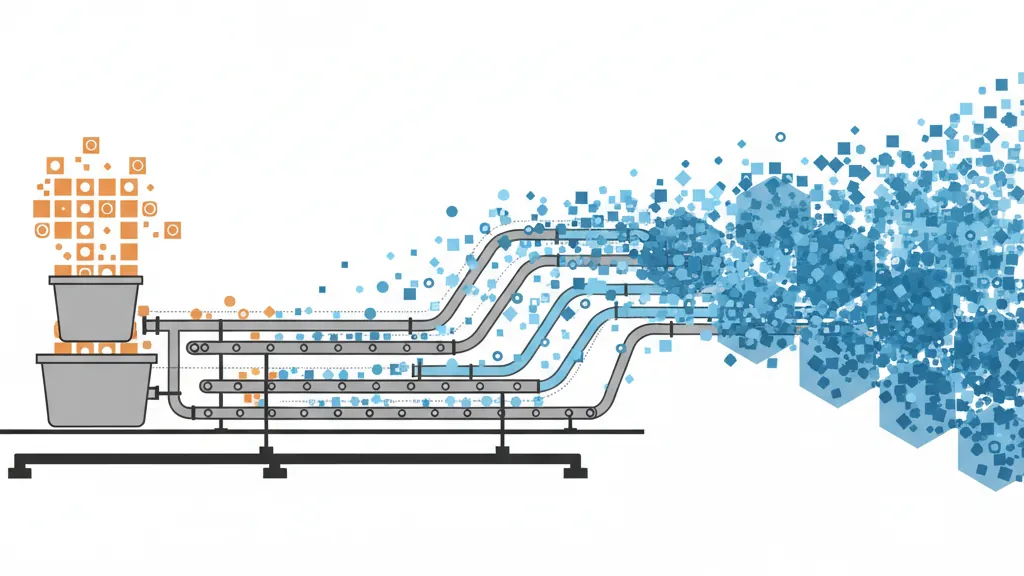
The upcoming upgrade introduces an advanced optimization protocol that fundamentally enhances network throughput while drastically reducing computational overhead. Solana developers have engineered the solution through two primary technical innovations:
Enhanced Parallel Processing: The upgrade leverages improved parallel transaction execution, allowing validators to process multiple transactions simultaneously without resource conflicts.
Streamlined Consensus Mechanisms: Optimized consensus algorithms reduce the computational burden on validators, directly translating to lower operational costs.
These technical improvements work synergistically to minimize the resources required for transaction validation and settlement. By reducing computational demands across the validator network, operational costs decline substantially—savings that flow directly to end users through dramatically lower gas fees. This represents a pivotal achievement in Solana's infrastructure scaling journey while maintaining the security guarantees and decentralization standards essential to blockchain credibility.
Competitive Positioning in the Layer 1 Market
The 70% fee reduction significantly strengthens Solana's market positioning against established Layer 1 competitors. Ethereum continues to face persistent congestion during peak periods, resulting in variable and often prohibitive transaction costs for retail users. Other Layer 1 platforms have attempted to address scalability, yet Solana's dramatic fee reduction establishes a clear efficiency advantage.
For institutional traders and retail users alike, the economics become fundamentally more favorable. Transactions that were previously cost-prohibitive now become economically viable, expanding Solana's addressable market and increasing stickiness with both existing and new users. This upgrade arrives precisely when market participants are evaluating blockchain platforms based on cost-efficiency and throughput capacity.
DeFi Revolution and Market Expansion
The implications for Solana's decentralized finance sector are profound. Current transaction cost structures exclude entire categories of trading activity—particularly small-value trades and automated strategies that generate insufficient returns to justify gas expenditure.
With fees becoming negligible, previously uneconomical use cases unlock instantly:
- Retail-Focused Trading: Smaller position sizes and micro-transactions become viable for retail traders
- Automated Strategies: Algorithmic trading and yield farming operations benefit from reduced per-transaction costs
- Flash Loans and Complex Protocols: Advanced DeFi primitives become more practical for broader user bases
This cost restructuring potentially catalyzes explosive growth in Solana's DeFi Total Value Locked (TVL), attracting both liquidity providers and protocol developers seeking optimal economic efficiency.
NFT Market Revitalization
Solana's NFT ecosystem stands to experience similar transformative effects. Digital asset trading—particularly in secondary markets—has faced friction from transaction costs. Lower fees remove this economic barrier, making frequent trading and portfolio rebalancing more attractive for collectors and creators.
This creates a potential inflection point for Solana-based NFT platforms, particularly those competing with Ethereum's higher-fee environment. Creators and collectors may recalculate platform economics, potentially shifting activity toward lower-cost alternatives. For established Solana NFT projects, the upgrade represents a catalyst for renewed user engagement and market activity.
Developer Momentum and Ecosystem Growth
The Solana developer community has responded with enthusiasm, with projects already planning strategic launches to capitalize on improved economics. The upgrade signals continued investment in infrastructure quality, directly influencing developer sentiment and ecosystem viability.
As blockchain adoption accelerates globally, cost-efficient platforms increasingly become differentiators in mainstream adoption narratives. Developers prioritize building on platforms offering optimal unit economics for end users, and Solana's upgrade strengthens its position in this crucial selection process.
Conclusion
Solana's April 2026 network upgrade represents a watershed moment for Layer 1 blockchain competition. By engineering a 70% fee reduction while maintaining security and decentralization, Solana strengthens its positioning as the scalable, user-focused alternative within the Layer 1 landscape. The upgrade's cascading effects across DeFi, NFTs, and broader ecosystem growth underscore blockchain development's rapid advancement and the industry's relentless pursuit of efficiency, accessibility, and mass adoption.
Why It Matters
For Traders
The fee reduction dramatically improves unit economics for active trading strategies. Frequent traders, arbitrageurs, and retail speculators gain access to previously cost-prohibitive markets, while automated trading strategies become profitable at smaller scales. Lower transaction friction directly translates to better net returns on capital.
For Investors
Solana strengthens its competitive moat against Layer 1 competitors, potentially capturing increased market share and user growth. The upgrade supports long-term SOL token value through expanded network utility, increased transaction volume, and enhanced ecosystem developer attraction—key metrics influencing institutional and retail investment sentiment.
For Builders
Developers gain access to a more efficient execution environment, enabling new application categories and improved user experiences. Lower transaction costs eliminate previous economic constraints on protocol design, allowing builders to optimize for user experience rather than fee minimization. This unlocks innovation in DeFi composability, NFT mechanics, and emerging use cases.
This article is for information only and is not financial advice. Read the full disclaimer.