South Korea Advances Bitcoin ETF Plans Amid Regulatory Delays
The Korea Exchange is making significant infrastructure upgrades, including extended trading hours, to prepare for Bitcoin ETFs despite regulatory approval remaining stalled. South Korea's proactive approach highlights its ambition to align with global crypto investment trends.
Written by CoinArticle’s AI Newsroom · from 2 cited sources. How we work
South Korea Advances Bitcoin ETF Plans Amid Regulatory Delays
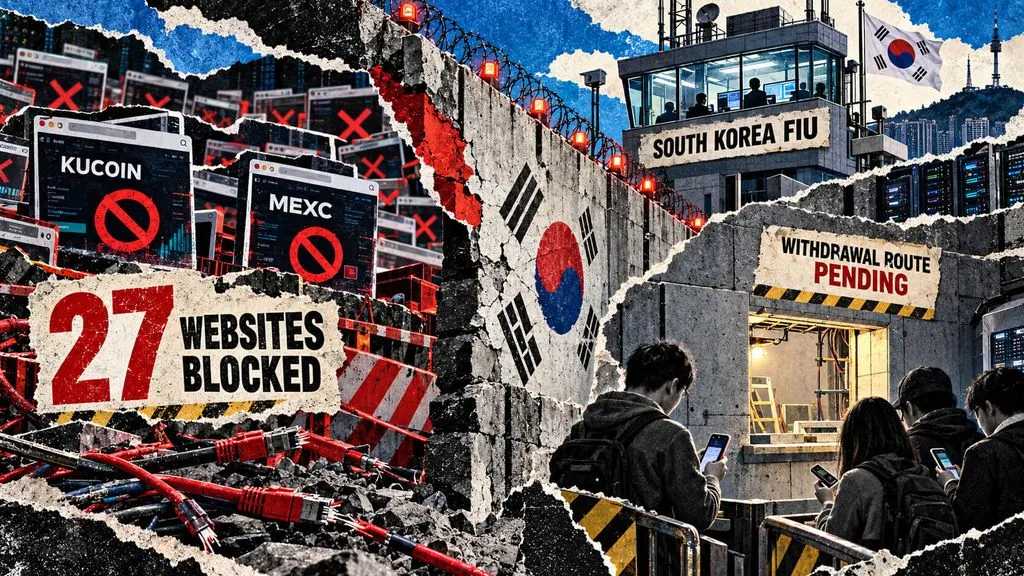
South Korea's cryptocurrency market is gaining momentum as the Korea Exchange (KRX) ramps up preparations for Bitcoin exchange-traded funds (ETFs), even though regulatory approval remains elusive. The nation's leading stock exchange is betting on eventual government approval by upgrading its infrastructure and extending trading hours, signaling confidence in the global trend toward crypto ETF adoption.
What We Know
Momentum for Bitcoin ETFs is growing in South Korea, but the country’s regulatory framework continues to lag behind other major markets. The Korea Exchange is taking proactive steps to position itself as a key player in the crypto ETF space, with two critical upgrades underway: extended trading hours and comprehensive digital finance infrastructure improvements.
These developments suggest institutional confidence that regulatory approval will eventually materialize. However, actual approvals for crypto ETFs remain stalled, creating a gap between market readiness and regulatory authorization.
Key Details
The Korea Exchange's forward-thinking approach marks a significant development in one of Asia's most advanced financial markets. By investing in infrastructure before receiving regulatory approval, the exchange is taking a calculated risk, anticipating that South Korean authorities will eventually align with the global shift toward regulated crypto investment products.
One of the most notable upgrades is the extension of trading hours, which would allow South Korean investors to engage with crypto markets during periods that better align with global trading activity. Combined with digital finance infrastructure enhancements, these changes indicate the exchange is preparing for a seamless rollout once regulatory barriers are lifted.
South Korea's current regulatory position contrasts sharply with markets like the United States, where Bitcoin ETFs have already been approved and are actively traded. This regulatory lag puts South Korean investors at a disadvantage, forcing them to either seek alternative methods to gain Bitcoin exposure or miss out on the benefits of regulated investment vehicles available in other markets.
What's Still Uncertain
The timeline for regulatory approval remains unclear. Neither source provides specific insights into when South Korean authorities might greenlight crypto ETF applications or the exact concerns causing the delay.
Additionally, it’s uncertain whether the Korea Exchange's current preparations will fully meet regulatory requirements once approvals are granted, or if further adjustments will be necessary.
Why This Matters
South Korea is one of the world's most active cryptocurrency markets, characterized by high retail participation and advanced trading infrastructure. The country's ability—or inability—to approve Bitcoin ETFs has implications that extend beyond its borders.
For South Korean investors, the delay in regulatory approval limits access to regulated crypto investment products, potentially pushing them toward less secure alternatives. This creates risks in a market where demand for Bitcoin exposure remains high.
Globally, South Korea’s approach serves as a case study for how traditional financial institutions can prepare for digital asset integration despite regulatory uncertainty. The Korea Exchange’s decision to proceed with infrastructure upgrades demonstrates institutional conviction that crypto ETFs represent the future of digital asset investing.
The outcome of these efforts will likely influence regulatory strategies across Asia, where many countries are closely monitoring South Korea’s fintech developments. If the infrastructure investments prove premature, it could discourage similar preparations in other markets. Conversely, if approvals come through smoothly thanks to these preparations, South Korea could set a precedent for other nations navigating the transition to crypto ETF adoption.
Key entities: Bitcoin ETF, South Korea, Korea Exchange, Crypto ETFs Sentiment: Neutral
This article is for information only and is not financial advice. Read the full disclaimer.