South Korea Expands Financial Sandbox to Include Digital Asset Services
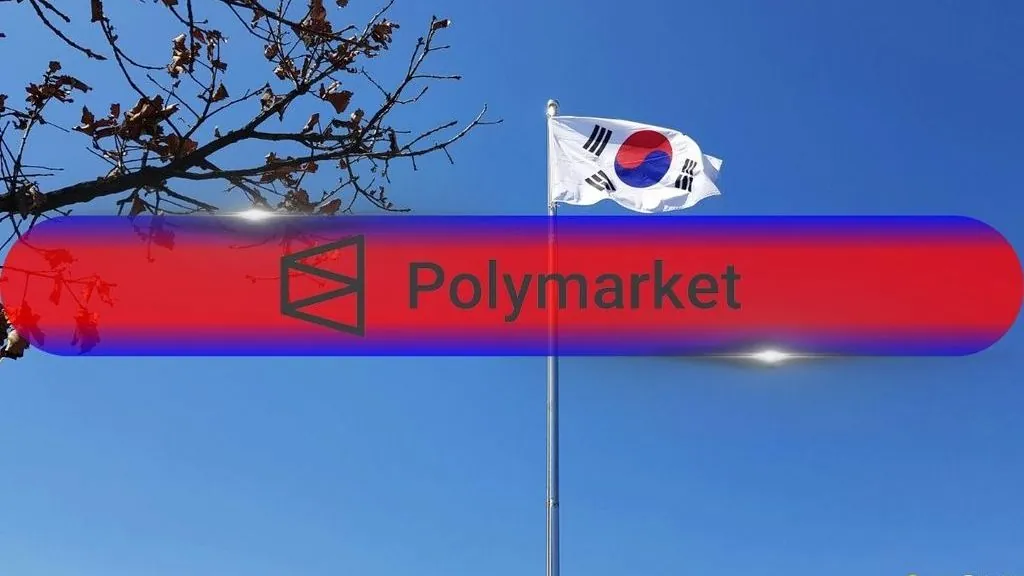
South Korea announced plans to extend its financial regulatory sandbox to cover digital asset services, allowing blockchain and fintech firms to seek exemptions from existing rules. The move broadens the scope of the existing sandbox framework, which has previously focused on traditional financial innovation.
Written by CoinArticle’s AI Newsroom · from 1 cited source. How we work
Sandbox Expansion Announced
South Korea's financial regulators have decided to expand the nation's financial regulatory sandbox to encompass digital asset-related legislation, according to local media reports. The extension creates a pathway for blockchain companies and cryptocurrency service providers to apply for temporary exemptions from current regulatory requirements while operating under supervised conditions.
What This Enables
The expanded sandbox framework is designed to allow a broader range of fintech and blockchain services to test new business models and technologies within a controlled regulatory environment. By granting exemptions, South Korea aims to foster innovation in the digital asset sector while maintaining oversight through the sandbox program's monitoring and reporting requirements. Companies operating under sandbox status must typically meet specific conditions and report regularly to regulators.
Context
South Korea has long maintained a dual approach to cryptocurrency regulation, combining consumer protections with periods of regulatory experimentation. The sandbox program previously focused on traditional fintech services; the digital asset expansion signals the regulator's intent to create a structured pathway for blockchain innovation rather than relying solely on prohibition or ad-hoc enforcement.
Why It Matters
For Traders
Clarity on sandbox terms could attract exchange listings and liquidity to Korean platforms, though sandbox exemptions typically expire and do not guarantee permanent regulatory approval.
For Investors
The move suggests South Korea intends to remain a hub for blockchain innovation rather than pursue full prohibition, reducing regulatory risk for projects operating in the country.
For Builders
A formal sandbox pathway creates a defined process for testing new protocols and services in Korea's market; builders should monitor published eligibility criteria and application timelines from regulators.
This article is for information only and is not financial advice. Read the full disclaimer.