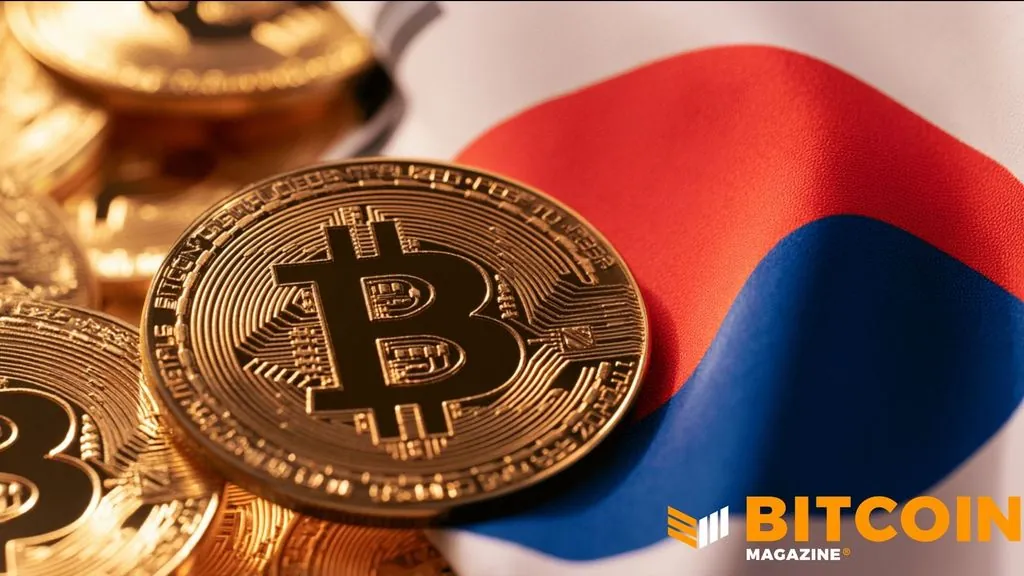
South Korea and Japan Set Sights on Dominating the Stablecoin Market
South Korea and Japan are ramping up efforts to establish themselves as key players in the global stablecoin market by 2026, aiming to challenge U.S. dominance amidst a growing $255 billion sector.
Written by CoinArticle’s AI Newsroom · from 1 cited source. How we work
East Asian Powers Eye Stablecoin Market Leadership
South Korea and Japan are strategically positioning themselves to challenge U.S. dominance in the burgeoning global stablecoin sector, targeting 2026 as a pivotal milestone for their digital currency initiatives. This coordinated effort from these East Asian economic powerhouses comes at a time when the stablecoin market is blossoming, currently valued at $255 billion worldwide.
The Strategic Initiative
Both nations are actively developing robust frameworks and initiatives aimed at establishing a significant presence in a market that has historically been dominated by American issuers. The 2026 target date indicates a synchronized approach to regulatory clarity, infrastructure development, and market entry strategies.
Stablecoins—cryptocurrencies designed to maintain a stable value by pegging to traditional assets like fiat currencies—are becoming increasingly vital in global digital finance. They provide essential infrastructure for cryptocurrency trading, cross-border payments, and decentralized finance applications.
Current Market Landscape
The stablecoin market, currently valued at $255 billion, has experienced substantial growth in recent years, fueled by rising adoption across both retail and institutional sectors. U.S.-based stablecoins, particularly those linked to the dollar, retain the largest market share and set the industry standards.
This American dominance has raised concerns among other major economies regarding financial sovereignty and their capacity to shape the future landscape of digital payment infrastructures.
Strategic Implications
The initiative by South Korea and Japan marks a notable shift in the ongoing evolution of digital currency markets. By establishing a strong foothold in the stablecoin sector, both countries could gain strategic advantages, including enhanced control over digital payment systems, reduced dependence on U.S. dollar-denominated assets, and increased competitiveness in financial technology innovation.
The proposed 2026 timeline will enable both nations to develop comprehensive regulatory frameworks while closely monitoring global regulatory developments and market trends. This thoughtful approach may allow them to circumvent some of the regulatory hurdles faced by earlier market entrants.
Looking Ahead
The success of South Korea and Japan's ambitions in the stablecoin arena will hinge on several key factors, including regulatory clarity, technological infrastructure, international collaboration, and market acceptance. As 2026 draws nearer, the global stablecoin landscape could witness significant transformations, potentially impacting international finance, digital payments, and the broader cryptocurrency ecosystem.
Why It Matters
For Traders
Traders should closely monitor South Korea and Japan’s advancements in the stablecoin sector as these developments could lead to new trading opportunities and potentially alter the dynamics of the cryptocurrency markets.
For Investors
Long-term investors may find value in the burgeoning stablecoin initiatives by these East Asian nations, as successful implementations could enhance portfolio diversification and present alternative investment avenues in digital assets.
For Builders
Developers and builders in the blockchain space should pay attention to the upcoming regulatory frameworks and technological innovations that South Korea and Japan are poised to introduce, as they could inspire new projects and collaborations in the digital currency sphere.
This article is for information only and is not financial advice. Read the full disclaimer.