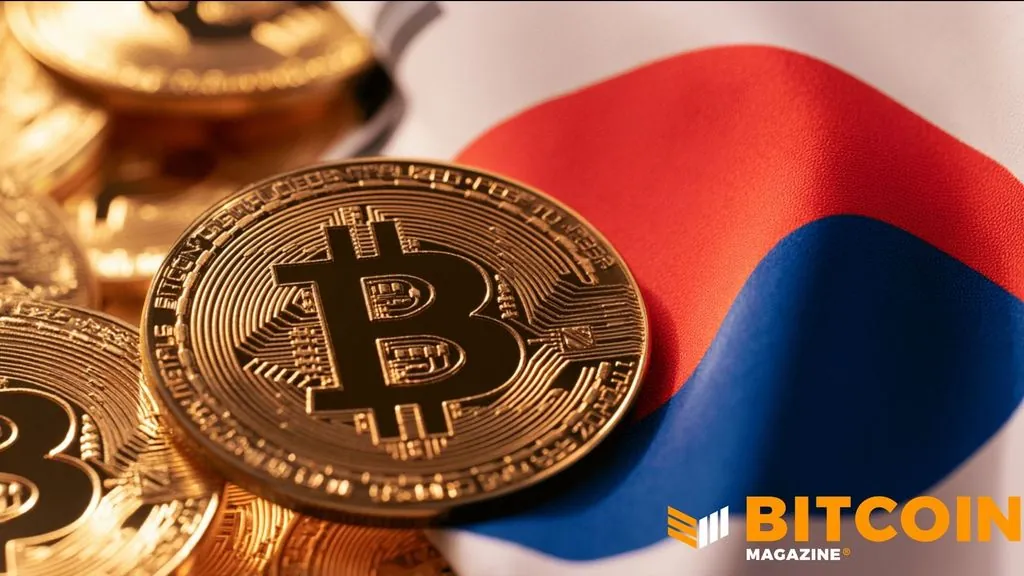
South Korea and Japan Set Sights on Dominating Stablecoin Market by 2026
South Korea and Japan are ramping up efforts to unseat the U.S. from its stablecoin throne. As both nations prepare for a digital currency breakthrough by 2026, the ripple effects in the global cryptocurrency landscape could be profound.
Written by CoinArticle’s AI Newsroom · from 1 cited source. How we work
East Asian Powers Target Stablecoin Leadership
South Korea and Japan are strategically positioning themselves to challenge U.S. dominance in the global stablecoin market. Both nations are eyeing 2026 as a potential breakthrough year for the expansion of digital currencies in their respective regions.
Strategic Push into Digital Assets
The two economic powerhouses are crafting comprehensive strategies to amplify their presence in the stablecoin sector, signaling a substantial shift in the dynamics of the global cryptocurrency landscape. This coordinated effort reflects a desire to establish themselves as significant players in an industry currently valued at $255 billion worldwide.
This initiative marks a departure from the current market structure, where U.S.-backed stablecoins have enjoyed a commanding hold. South Korea and Japan are committed to leveraging their advanced technological capabilities and robust financial systems to secure a considerable market share.
Current Market Landscape
The global valuation of the stablecoin market at $255 billion highlights the growing significance of these digital assets within the broader cryptocurrency ecosystem. Stablecoins, typically pegged to fiat currencies or other stable assets, have become essential infrastructure for digital asset trading, cross-border payments, and decentralized finance applications.
The United States has thus far maintained its dominant position through popular stablecoins that have gained widespread adoption across global crypto markets. This leadership has afforded U.S. entities substantial influence over digital currency transactions and infrastructure.
Regional Implications
The push from South Korea and Japan into the stablecoin market could fundamentally alter regional financial dynamics, offering viable alternatives to existing dollar-denominated digital currencies. Success in this venture would enhance both nations' control over digital payment systems while potentially reducing their dependence on U.S.-centric financial infrastructure.
For the broader cryptocurrency industry, increased competition in the stablecoin sector could catalyze innovation, enhance regulatory frameworks, and expand user options. The involvement of major economies like South Korea and Japan may also add further legitimacy to digital assets within traditional financial circles.
Conclusion
As we approach 2026, the stablecoin market stands on the brink of significant evolution. While it remains uncertain whether South Korea and Japan can successfully challenge U.S. dominance, their commitment to this sector indicates a growing recognition of the strategic importance of stablecoins in the future of global finance.
Why It Matters
For Traders
Traders should monitor developments in the stablecoin landscape, as new entrants could introduce innovative trading opportunities and alter liquidity dynamics in the market.
For Investors
Long-term investors should consider the implications of a diversified stablecoin market, as increased competition could enhance stability and introduce new assets that offer potential for appreciation.
For Builders
Developers and builders in the crypto space should be aware of emerging technologies and frameworks from South Korea and Japan, as these could provide valuable insights and opportunities for collaboration in the evolving stablecoin ecosystem.
This article is for information only and is not financial advice. Read the full disclaimer.