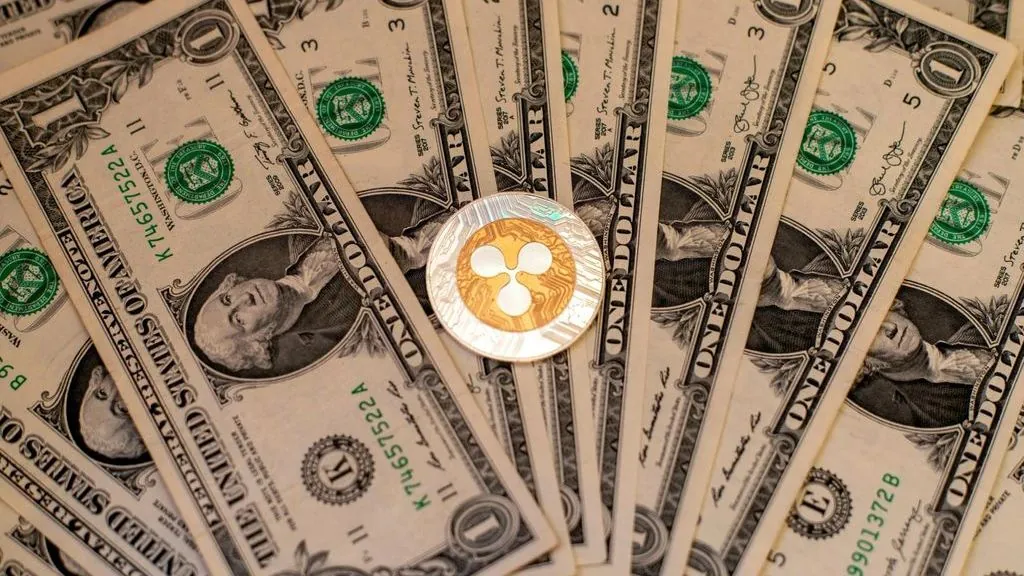
What Makes a Stablecoin Work: USDC, USDT, RLUSD Explained
Stablecoins are cryptocurrencies designed to maintain a $1 value through various collateralization and redemption mechanisms. Understanding how different stablecoins like USDC, USDT, and RLUSD achieve price stability is central to evaluating their reliability and systemic risk.
Written by CoinArticle’s AI Newsroom · from 1 cited source. How we work
How Stablecoins Maintain Their Peg
Stablecoins are cryptocurrencies engineered to remain worth exactly $1 by holding backing assets in reserve. The mechanism varies: some stablecoins maintain 1:1 collateral reserves in US dollar bank accounts or Treasury securities, while others use algorithmic adjustment or hybrid models. The credibility of a stablecoin rests on whether users believe the issuer can and will redeem each token for $1 on demand.
Different Designs, Different Tradeoffs
USDC and USDT are both backed by dollar reserves and operate with similar core mechanics, though USDT has faced periodic questions about reserve composition and attestation frequency. Ripple's RLUSD uses the XRP Ledger as its underlying blockchain but maintains the same dollar-collateral foundation. Each issuer publishes reserve attestations—though frequency and audit standards vary—to demonstrate they hold sufficient assets to back circulating tokens. The level of transparency investors receive depends largely on the issuer's compliance posture and regulatory jurisdiction.
Why It Matters
Stablecoin design directly affects counterparty risk: inadequate reserves, disputed collateral quality, or opaque redemption mechanics can cause de-pegging or liquidity crises. Users selecting between stablecoins evaluate not just price stability but reserve proof and issuer creditworthiness. Regulators increasingly view stablecoin issuance as a banking function and are setting standards for collateral and redemption.
This article is for information only and is not financial advice. Read the full disclaimer.