Understanding Stagflation: Implications for Bitcoiners in 2026
As we approach 2026, stagflation is poised to reshape the economic landscape. It presents unique challenges and strategic opportunities for the cryptocurrency community.
Written by CoinArticle’s AI Newsroom · from 1 cited source. How we work
Stagflation: The Economic Challenge of 2026
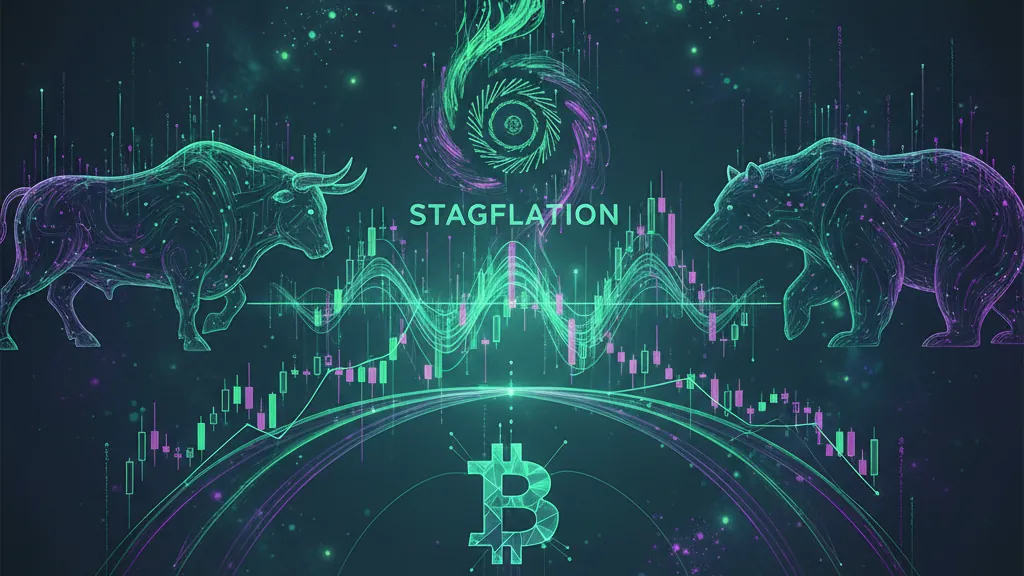
As 2026 approaches, economic analysts predict that "stagflation" will be the defining term of the year. This complex phenomenon, characterized by rising prices, stagnating economic growth, and a weakening labor market, could have profound implications for households and financial markets alike. For Bitcoiners and the broader cryptocurrency community, understanding stagflation is essential as it shapes investment strategies and financial planning.
What is Stagflation?
Stagflation is a challenging economic condition where inflation rises while economic growth stagnates. This scenario presents policymakers with limited options. Traditional responses to rising inflation, such as increasing interest rates, can inadvertently suppress growth, creating a vicious cycle. As costs for goods and services climb, consumers and businesses may face a double-edged sword: reduced spending power amid a stagnant economy.
The impacts of stagflation extend into everyday life. Households may struggle with budgeting, while businesses confront decreasing consumer demand. The cumulative effects of rising prices and stagnant wages can lead to an overall decline in the quality of life, placing increased financial strain on families.
Why It Matters
For Traders
Understanding stagflation can help cryptocurrency traders navigate market volatility. Rising inflation might drive demand for alternative assets like Bitcoin, but traders must also be cautious of economic indicators signaling a potential slowdown in trading volume or liquidity. Close monitoring of inflation rates and employment statistics is essential during this period.
For Investors
Investors need to consider how stagflation could impact asset performance. Traditional equities may come under pressure as consumer spending declines and corporate earnings suffer. In this climate, Bitcoin and other cryptocurrencies may emerge as a hedge against inflation, though investors should remain vigilant, as regulatory changes and market sentiment can influence crypto prices unpredictably. A well-researched investment strategy that accounts for both risks and opportunities presented by stagflation will be crucial.
For Builders
For builders in the cryptocurrency ecosystem, understanding stagflation means adapting products and services to meet evolving consumer needs. As households tighten their budgets, there may be an increasing demand for cost-effective financial solutions, particularly within decentralized finance (DeFi). Builders should prioritize creating user-friendly platforms that enhance affordability and accessibility, reinforcing the value proposition of cryptocurrencies in an economically challenging landscape.
Conclusion
As we move towards 2026, the specter of stagflation looms large on the economic horizon. For Bitcoiners and the broader crypto community, grasping the implications of stagnation amidst rising prices is critical for informed decision-making. By recognizing the challenges that lie ahead, stakeholders can position themselves to navigate the transformative landscape of the coming years.
This article is for information only and is not financial advice. Read the full disclaimer.