Geopolitical Tensions in Strait of Hormuz Raise Oil Price Risks
Military escalation between Israel, the US, and Iran near the Strait of Hormuz has raised concerns about potential disruptions to global oil supply. Sustained crude price volatility could influence inflation expectations and central bank policy, with indirect effects on risk asset valuations.
Written by CoinArticle’s AI Newsroom · from 1 cited source. How we work
Escalation in the Strait of Hormuz
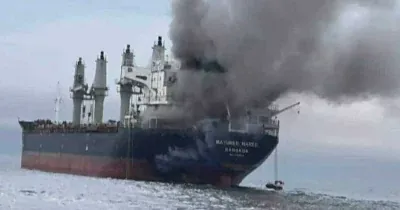
Tensions in the Strait of Hormuz intensified following strikes by Israeli and US forces on Iranian vessels near Larak Island, resulting in three deaths according to reports. The incident is part of a broader cycle of regional military actions that analysts warn could threaten one of the world's most critical energy chokepoints, through which roughly one-third of global seaborne oil passes daily.
Oil Supply and Macro Implications
Disruptions to shipping in the strait could constrain global crude supply and push oil prices higher, potentially raising inflation expectations. Central banks monitoring energy prices as an input to monetary policy may adjust their stance in response to sustained volatility, creating spillover effects for risk assets including equities and cryptocurrencies that tend to correlate with real rates and growth sentiment.
Market Sensitivity to Energy Shocks
Historical energy crises have shown that oil supply shocks transmit quickly to broader financial markets. Investors and traders are monitoring the situation as a tail risk factor; any material disruption would likely trigger a flight to safe havens and repricing across correlated assets.
Why It Matters
For Traders
Oil price spikes from geopolitical disruption typically compress risk appetite and increase BTC and ETH volatility; position sizing should account for energy shock scenarios.
For Investors
Sustained crude price inflation could force central banks to hold rates higher for longer, extending the period of restrictive policy that dampens yield-seeking flows into crypto.
For Builders
Protocol teams reliant on low energy-cost narratives may face headwinds if macro inflation resurges; DAOs holding stablecoins should monitor real rate dynamics.
This article is for information only and is not financial advice. Read the full disclaimer.