Cryptocurrency Scam Targets Ships in Strait of Hormuz With Fake Bitcoin Fees
Scammers are impersonating maritime authorities in the Strait of Hormuz, demanding Bitcoin and Tether payments from stranded vessels by exploiting geopolitical tensions. The fraud scheme leverages cryptocurrency's irreversible transactions and the urgency faced by operators stuck in one of the world's most critical shipping chokepoints.
Written by CoinArticle’s AI Newsroom · from 1 cited source. How we work
Cryptocurrency Scam Targets Stranded Ships in Strait of Hormuz With Fake Bitcoin Transit Fees
The Scam Unfolds
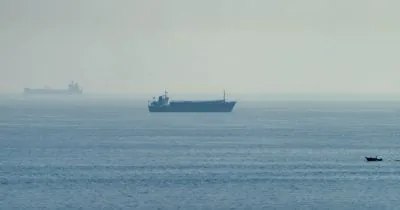
Shipping companies navigating the Strait of Hormuz—one of the world's most critical maritime chokepoints—are falling victim to an elaborate cryptocurrency-based fraud scheme. Scammers are impersonating maritime authorities and demanding fake transit fees paid exclusively in Bitcoin and Tether from desperate vessel operators.
The fraudsters are exploiting a perfect storm: heightened geopolitical tensions that have stranded numerous commercial ships, combined with cryptocurrency's reputation for irreversible transactions. By demanding digital assets, scammers ensure victims cannot reverse payments through traditional banking channels.
How the Operation Works
The scheme typically begins with official-looking communications claiming to originate from maritime authorities or transit coordination offices. These fraudulent notices inform shipping firms that their vessels owe substantial transit fees due to increased security measures or new regulatory compliance requirements.
Criminals provide cryptocurrency wallet addresses and specific Bitcoin or Tether amounts for immediate payment. The deliberate urgency preys on stranded vessel operators already facing mounting costs and supply chain pressures, who may comply without verifying the demand's legitimacy.
Multiple international shipping firms have reported losses through this scheme, though exact figures remain undisclosed due to reputational concerns.
The Strategic Vulnerability: Strait of Hormuz Context
The Strait of Hormuz handles approximately one-third of global maritime petroleum trade, making it strategically vital and increasingly volatile. Recent geopolitical incidents have caused legitimate transit delays and enhanced security protocols—providing perfect cover for fraudsters to appear credible.
Stranded vessels already facing significant operational costs represent particularly vulnerable targets for financially motivated scammers seeking cryptocurrency payments.
Why This Matters
For Traders
This incident demonstrates cryptocurrency's dual use as both legitimate commerce and criminal conduit. Bitcoin and Tether's transaction finality creates systemic risks when verification procedures are bypassed under pressure.
For Investors
Regulatory scrutiny around cryptocurrency's role in international fraud continues escalating. Governments may implement stricter controls on cross-border crypto transactions, potentially impacting market liquidity and adoption rates.
For Builders
The scam reveals urgent demand for blockchain-based verification systems in high-value maritime transactions, creating opportunities for cryptographic solutions proving legitimate authority and reducing fraud vulnerability.
Protecting Against Maritime Cryptocurrency Fraud
The maritime industry should implement multi-factor verification protocols before processing any cryptocurrency payments. Legitimate authorities are clarifying official communication channels and warning operators about this emerging threat.
As cryptocurrency adoption grows in global commerce, sophisticated fraud schemes will inevitably follow. The sector requires constant vigilance, technological innovation, and verification best practices to maintain cryptocurrency's credibility in legitimate international trade.
Why It Matters
For Traders
Highlights cryptocurrency's irreversible transaction risk and the need for verification protocols in high-pressure scenarios
For Investors
Rising regulatory scrutiny of crypto-enabled fraud may trigger stricter cross-border transaction controls affecting market liquidity
For Builders
Urgent demand exists for blockchain-based verification systems that prove maritime authority legitimacy and prevent cryptocurrency fraud
This article is for information only and is not financial advice. Read the full disclaimer.