Sweden Football Federation Sidelines Crypto in World Cup Campaign
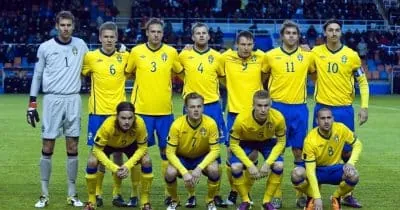
Sweden's football federation announced its World Cup roster without partnering with crypto platforms or blockchain-based fan engagement tools, contrasting with other national teams' embrace of NFTs and token rewards. The omission signals divergent strategies among sports organizations in monetizing fan bases through digital assets.
Written by CoinArticle’s AI Newsroom · from 1 cited source. How we work
Traditional Approach Persists
Sweden's football federation proceeded with its World Cup squad announcement using conventional media channels, bypassing partnerships with cryptocurrency platforms or blockchain fan engagement initiatives. The team's communication strategy relies on traditional broadcast, print, and official social media accounts rather than exploring NFT drops, token-based voting mechanisms, or blockchain loyalty programs that some other national teams have experimented with in recent tournament cycles.
Contrast With Sector Growth
Several national football associations have pursued crypto partnerships in recent years. Some have issued fan tokens through platforms like Socios, offered NFT collectibles tied to squad announcements, or integrated blockchain-based rewards into supporter engagement. Sweden's decision to abstain from these channels reflects a more cautious stance on digital asset integration within official team operations and fan monetization.
Implications for Sports Crypto Adoption
The federation's approach underscores that blockchain-based fan engagement remains neither universal nor mandatory for major sports properties. While some organizations view crypto partnerships as incremental revenue or engagement channels, others prioritize traditional media relationships and regulatory clarity over early-stage digital asset integration. Sweden's World Cup campaign demonstrates that institutional sports bodies continue to operate across a spectrum of crypto adoption—from active exploration to deliberate restraint.
Why It Matters
For Traders
Sports-focused crypto tokens (Socios, Chiliz) face continued fragmentation in institutional adoption; Sweden's non-participation does not materially affect near-term positions but signals slower mainstream integration.
For Investors
Uneven global sports-crypto adoption suggests the sector's growth depends on regulatory clarity and demonstrated ROI rather than inevitable institutional momentum.
For Builders
Sports fan engagement platforms must compete on utility and revenue-share terms, not blockchain novelty alone; traditional broadcasters remain a credible alternative for teams evaluating partnerships.
This article is for information only and is not financial advice. Read the full disclaimer.