Tennessee Bans Kalshi, Polymarket, and Crypto.com Sports Betting Contracts
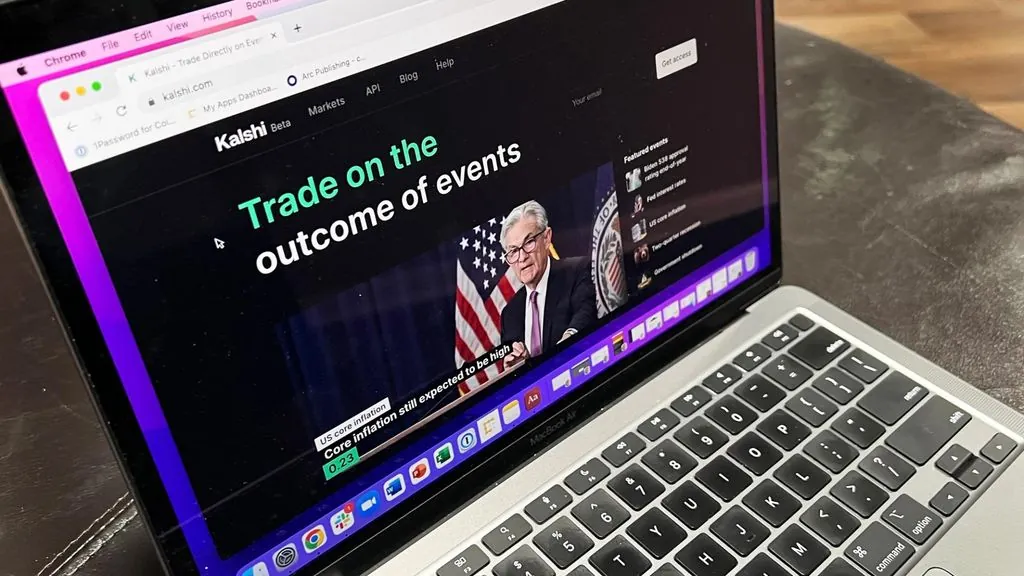
Tennessee has instructed Kalshi, Polymarket, and Crypto.com to halt all sports betting contracts, significantly impacting the operations within the state. This move reflects the state's commitment to uphold compliance and safeguard consumer interests in the evolving landscape of digital betting.
Written by CoinArticle’s AI Newsroom · from 1 cited source. How we work
Tennessee Orders Kalshi, Polymarket, and Crypto.com to Cease Sports Betting Contracts
Tennessee has issued a directive to Kalshi, Polymarket, and Crypto.com, mandating that these firms cease all sports betting contracts within the state. This order comes amidst the ongoing regulation of financial products offered by these entities, which are federally overseen by the Commodity Futures Trading Commission (CFTC).
The Tennessee regulators instructed the firms to halt operations related to sports betting contracts, particularly emphasizing the need to refund deposits and void open contracts by January 31. This decision marks a significant step in the state’s efforts to maintain compliance and oversight within its gambling framework.
The Situation at Hand
Kalshi, Polymarket, and Crypto.com have been operating platforms allowing users to speculate on the outcomes of various sporting events—effectively functioning as a betting market. However, Tennessee’s latest move indicates a potential pivot toward stricter regulations concerning how these entities operate within its borders. The firms were informed that they must comply with state requirements to protect consumers, particularly in a realm that blends wagering with emerging financial technologies.
Tennessee’s regulatory actions aim to establish a safer environment for bettors and ensure that regulatory measures are observable. By mandating the cessation of these contracts, the state is asserting its authority in overseeing betting practices, especially in a landscape where digital currencies and decentralized financial platforms are becoming increasingly prevalent.
Why It Matters
For Traders
This decision impacts traders and participants in sports betting markets. The closure of these contracts will lead to the disruption of trading activities, compelling traders to reevaluate their strategies in light of changing regulatory landscapes. The transition to alternative betting avenues may become necessary, and traders should stay informed about potential shifts in market operations and regulatory compliance.
For Investors
Investors in Kalshi, Polymarket, and Crypto.com may experience a temporary setback as the firms navigate through compliance issues. Understanding the regulatory challenges in different states is crucial for long-term investment strategies. Investors should monitor the developments in Tennessee closely, as similar regulations might arise in other states that could affect market viability and company performance.
For Builders
For those developing products within the crypto and betting realms, this event underscores the importance of aligning with regulatory requirements upfront. Innovative solutions that integrate compliance into the design of decentralized betting platforms may find a competitive edge. This scenario also highlights the need for ongoing dialogue with regulators to foster smoother relationships and more robust frameworks for future operations.
In summary, Tennessee's order for Kalshi, Polymarket, and Crypto.com to cease sports betting contracts serves as a warning sign both for emerging betting operations and the broader implications of regulatory oversight in the rapidly evolving world of cryptocurrency and betting markets.
This article is for information only and is not financial advice. Read the full disclaimer.