Tether Holds $141B in US Treasuries as Stablecoin-Debt Nexus Deepens
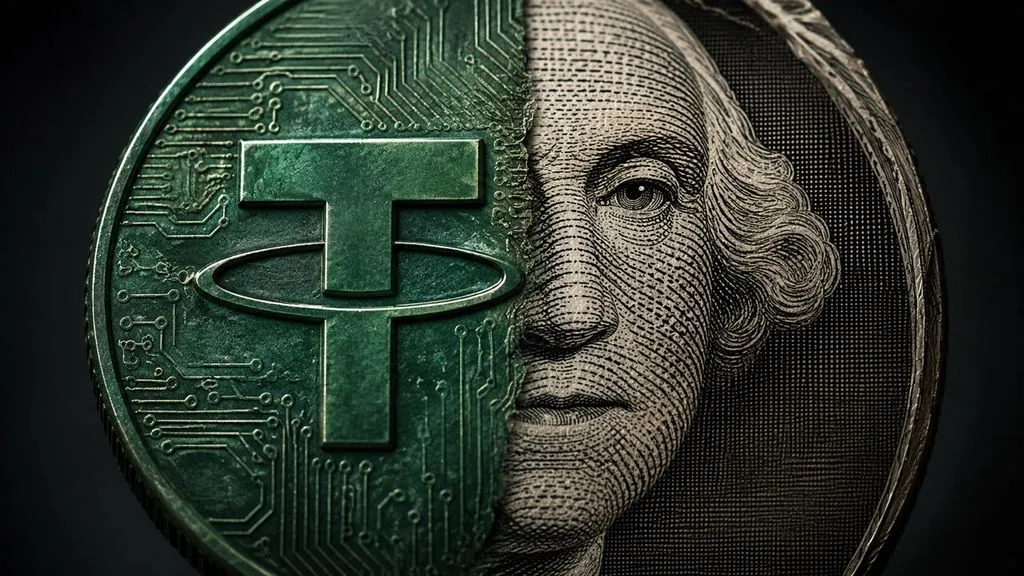
Tether closed 2025 with $141 billion in direct and indirect exposure to US Treasury securities, making it one of the largest holders of American debt. The concentration raises questions about stablecoin reserves and systemic interconnection between crypto and traditional finance.
Written by CoinArticle’s AI Newsroom · from 1 cited source. How we work
Tether's Treasury Position
Tether's total exposure to US Treasury securities reached $141 billion by the end of 2025, according to the company's disclosures. The holdings represent both direct Treasury purchases and indirect exposure through reserve accounts and investment vehicles. The figure marks a significant portion of Tether's overall balance sheet and underscores the company's role as a major buyer of US government debt.
The Reserve and Regulation Tension
Tether has long cited US Treasuries as a core component of USDT reserves, positioning them as a stability anchor for the stablecoin. The massive accumulation illustrates how stablecoins have moved from crypto-only instruments into vehicles that materially influence traditional debt markets. Regulators have historically sought to isolate crypto from mainstream finance, yet this Treasury concentration demonstrates the two systems are now structurally intertwined.
Systemic Implications
The scale of Tether's Treasury holdings introduces several structural considerations. A rapid redemption wave in USDT could force large-scale liquidation of Treasury positions, potentially moving yields or creating liquidity pressures. Conversely, stress in US debt markets could impact USDT's reserve backing and user confidence in the stablecoin itself. Industry observers have flagged the concentration risk, though Tether maintains that its reserve structure meets or exceeds regulatory expectations.
Why It Matters
For Traders
A sharp move in Treasury yields or stablecoin redemption rates could cascade through USDT liquidity; monitor redemption flow data on-chain.
For Investors
Stablecoin reserves are now material to US debt markets; regulatory focus on reserve adequacy and liquidity will likely intensify.
For Builders
Protocol designers integrating USDT liquidity should stress-test scenarios involving rapid Treasury liquidation or Treasury market dysfunction.
This article is for information only and is not financial advice. Read the full disclaimer.