Major Financial Institutions Embrace Blockchain with Tokenization Initiatives
This week marks a turning point as major financial institutions like Coinbase and J.P. Morgan expand into tokenized asset services, revealing a bright future for blockchain and traditional finance integration.
Written by CoinArticle’s AI Newsroom · from 1 cited source. How we work
Traditional Finance Meets Blockchain Infrastructure
The convergence of traditional financial institutions and blockchain technology reached new milestones this week as major players announced significant expansions into tokenized asset services. Leading the charge is Ondo, alongside partnerships with established financial giants that exemplify the growing institutional adoption of on-chain financial products.
Major Financial Institutions Enter the Tokenization Space
Coinbase, one of the world's largest cryptocurrency exchanges, unveiled plans to enhance its service offerings beyond traditional crypto trading. The platform is now set to include on-chain stock trading capabilities, prediction markets, and stablecoin settlement services. This marks a significant step toward bridging conventional securities with blockchain infrastructure.
In parallel, J.P. Morgan introduced the MONY fund, a new initiative aimed at connecting institutional liquidity with public blockchain networks. This development signifies a crucial shift for the banking giant, which has historically adopted a cautious approach to public blockchain integration.
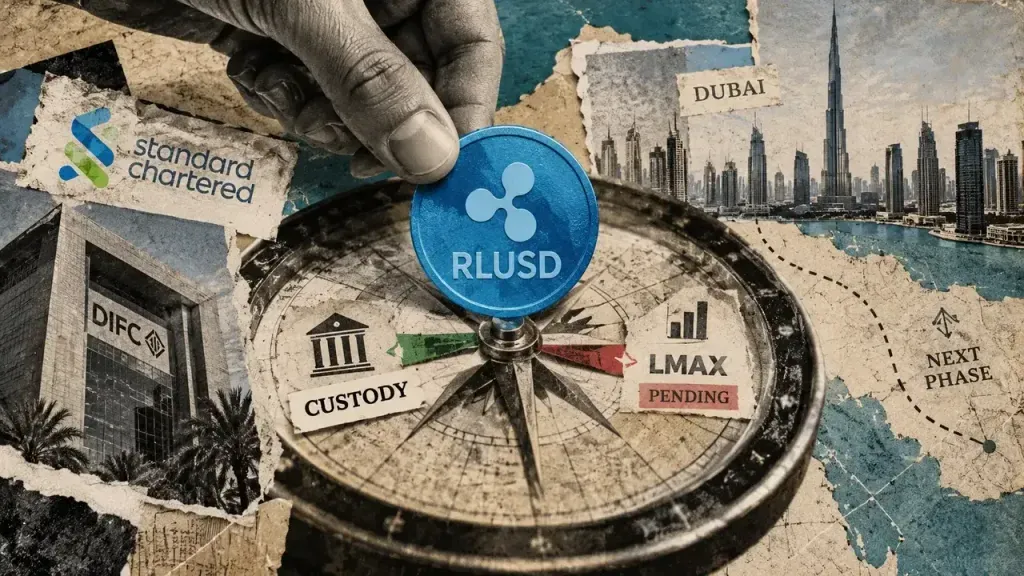
Standard Chartered has also made its entry into the arena by rolling out live multi-currency tokenized deposit services across global networks. This infrastructure facilitates real-time settlement and cross-border transactions using tokenized representations of traditional fiat currencies.
Ondo's Ambitious Expansion Plans
At the forefront of this institutional momentum is Ondo Global Markets, which has announced an ambitious plan to launch over 100 new initiatives. While specific details remain somewhat limited, the scale of this expansion suggests a comprehensive strategy toward tokenizing various asset classes and financial products.
Market Implications
The coordinated entry of multiple traditional financial institutions into tokenized asset services signals a maturing market for on-chain financial products. These developments aim to address several longstanding challenges within the crypto space, including liquidity depth, regulatory compliance, and institutional-grade custody solutions.
The integration of stock trading and multi-currency deposits onto blockchain networks has the potential to reduce settlement times, lower transaction costs, and enhance accessibility to global markets. However, the success of these initiatives will depend significantly on the evolution of regulatory frameworks and the ability to uphold the security standards expected by institutional clients.
Looking Ahead
These simultaneous announcements from Coinbase, J.P. Morgan, and Standard Chartered, combined with Ondo's expansion plans, hint that tokenized financial assets are shifting from experimental projects to production-ready services. As these platforms launch, market participants will closely monitor adoption rates and regulatory responses to gauge the long-term viability of tokenized traditional assets.
Why It Matters
For Traders
The emergence of tokenized financial assets opens new trading opportunities, allowing for increased access to liquidity and reducing transaction costs in the secondary markets.
For Investors
Long-term investors can expect innovative investment vehicles on the horizon, with the potential for enhanced portfolio diversification and exposure to liquid, tokenized assets.
For Builders
Developers and builders in the blockchain space will find a growing demand for technological solutions that cater to the integration of traditional finance with modern blockchain capabilities, fostering innovation and creativity within the ecosystem.
This article is for information only and is not financial advice. Read the full disclaimer.