Traditional Finance Embraces Blockchain: A New Era of Tokenization
Major institutions are integrating blockchain technology into traditional finance, heralding a new era of tokenization. From Coinbase's expanded capabilities to J.P. Morgan's MONY fund, these developments signal a transition towards operational deployments that could revolutionize asset trading and settlement.
Written by CoinArticle’s AI Newsroom · from 1 cited source. How we work
Traditional Finance Embraces Blockchain Infrastructure
The convergence of traditional finance and blockchain technology is accelerating as major institutions launch tokenization initiatives that could reshape how financial assets are traded and settled. The implications are profound, suggesting that the future of finance may lie in an integrated digital environment.
Major Institutional Developments
Coinbase is significantly expanding its platform capabilities beyond cryptocurrency trading. The exchange is integrating on-chain stock trading functionality, prediction markets, and stablecoin settlement services. This marks a pivotal shift toward a comprehensive digital asset infrastructure that addresses the growing demand for versatile trading options.
In a notable move, J.P. Morgan has entered the tokenized asset space with the launch of its MONY fund, specifically designed to connect institutional liquidity with public blockchain networks. This represents one of the largest U.S. banks' most direct engagement with public blockchain infrastructure, bridging traditional financial products with modern technology.
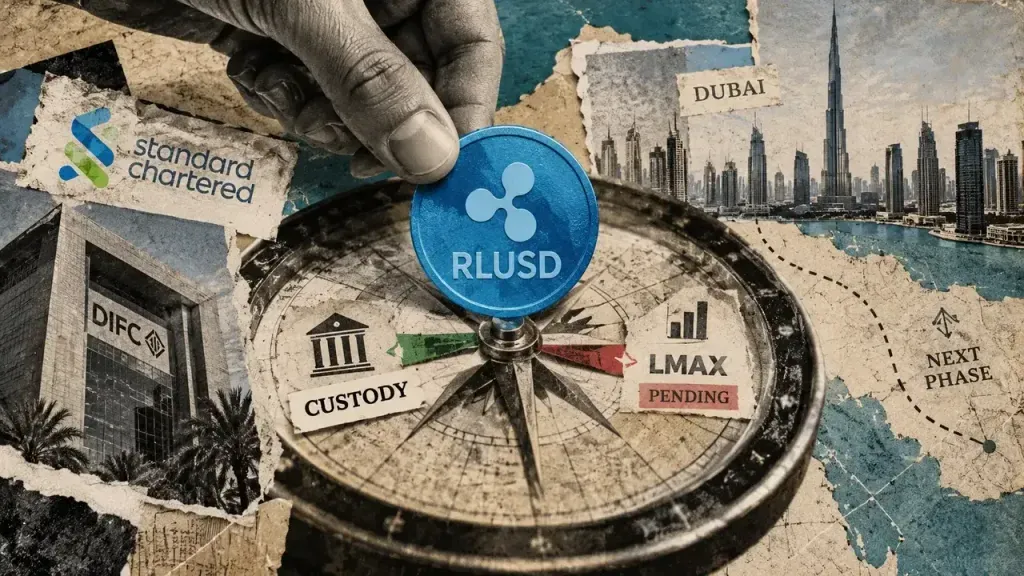
Meanwhile, Standard Chartered is implementing live multi-currency tokenized deposit systems that operate across global networks. This initiative highlights how tokenization can effectively tackle the cross-border settlement challenges that have historically plagued traditional banking systems.
Ondo's Strategic Positioning
Against this backdrop of institutional adoption, Ondo Global Markets is strategically positioning itself for substantial expansion within the tokenization sector. Although specific operational details remain limited, indicators suggest a significant scaling of operations, potentially involving expansion into multiple markets or products as traditional financial asset tokenization approaches the mainstream.
Market Implications
These parallel developments indicate that tokenization is transitioning from the experimental phase to operational deployment. The involvement of entities spanning cryptocurrency-native platforms (Coinbase), traditional banking giants (J.P. Morgan), and international financial institutions (Standard Chartered) underscores a broader industry movement rather than isolated experiments.
The integration of stock trading onto blockchain rails could fundamentally alter settlement timeframes and accessibility, while tokenized deposits may offer solutions to correspondent banking inefficiencies. Additionally, stablecoin settlement infrastructure provides the connective tissue between these systems, enabling instant value transfer across previously siloed financial networks.
Outlook
The simultaneous emergence of these tokenization initiatives suggests that the industry is approaching a critical inflection point. As regulatory frameworks mature and institutional infrastructure develops, the practical application of blockchain technology to traditional financial assets appears poised to enter a new phase of implementation. The coming months are likely to reveal whether these initiatives can deliver the operational efficiencies and expanded access that tokenization proponents have long promised.
Why It Matters
For Traders
Investment professionals should closely monitor these developments as they signal a shift towards more efficient trading mechanisms that could enhance liquidity and reduce transaction costs.
For Investors
Long-term investors should recognize the transformative potential of tokenization, as it may unlock new avenues for investment and asset management while increasing transparency in financial markets.
For Builders
Developers and builders in the blockchain space should take note of the growing institutional interest, as it opens opportunities for innovative solutions and partnerships within the evolving landscape of tokenized finance.
This article is for information only and is not financial advice. Read the full disclaimer.