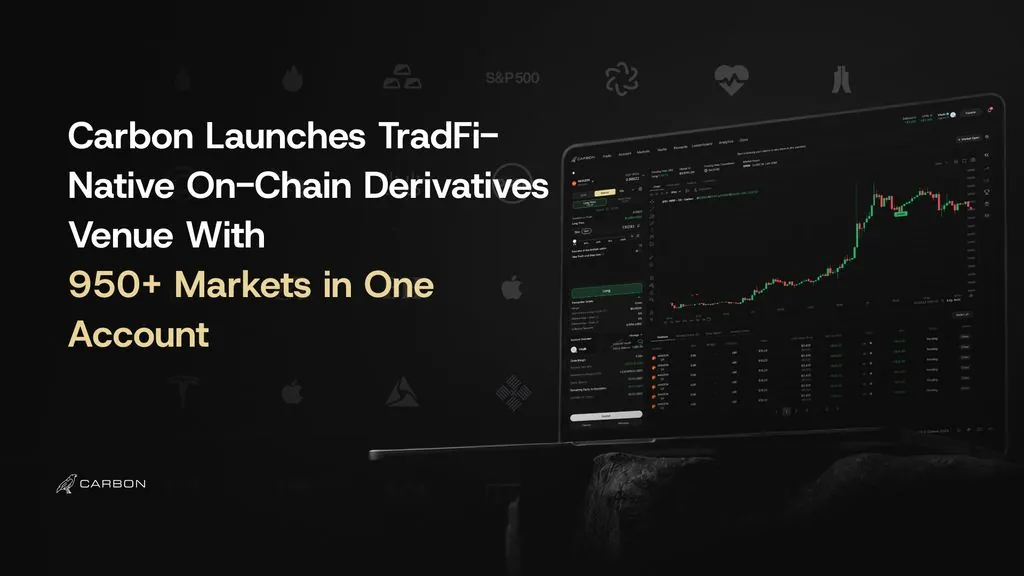
Traditional Finance Sets Sail with Permissioned DeFi Pilot Programs
Traditional financial institutions are embarking on pilot programs for permissioned DeFi platforms, blending blockchain innovation with regulatory compliance. This strategic move highlights a significant shift in how TradFi approaches blockchain technology.
Written by CoinArticle’s AI Newsroom · from 1 cited source. How we work
Traditional Finance Sets Sail with Permissioned DeFi Pilot Programs
The landscape of institutional finance is undergoing a profound transformation as major financial institutions launch pilot programs for permissioned decentralized finance (DeFi) platforms. This development represents a carefully calibrated approach by traditional finance (TradFi) entities to harness the potential of blockchain technology while ensuring compliance with regulatory frameworks and maintaining operational control.
Permissioned DeFi: A Middle Ground
Unlike their public DeFi counterparts, which operate on open blockchains granting unrestricted access, permissioned DeFi platforms employ rigorous access controls and identity verification mechanisms. This architecture allows traditional financial institutions to explore blockchain-based financial services while adhering to established regulatory mandates, including know-your-customer (KYC) and anti-money laundering (AML) protocols.
These pilot programs are designed to test essential DeFi functions—such as automated trading, lending protocols, and tokenized assets—within controlled environments that align with compliance obligations and risk management standards. This enables institutions to experiment without exposing themselves to the unpredictable nature often associated with public DeFi.
Implications for Institutional Blockchain Adoption
The emergence of these pilot programs signifies a pivotal evolution in the approach of traditional financial institutions towards blockchain technology. Rather than a binary choice between wholesale adoption of public DeFi protocols or outright rejection of decentralized systems, major players are opting for a hybrid model. This strategy preserves the efficiency advantages of blockchain while safeguarding institutional interests.
These initiatives indicate an increasing confidence among TradFi entities that blockchain infrastructure can be tailored to meet enterprise-level requirements. This method helps alleviate persistent concerns regarding regulatory ambiguity, security vulnerabilities, and operational risks that have historically deterred institutional involvement in the DeFi space.
Moreover, the shift towards permissioned platforms suggests that traditional finance views blockchain not merely as a speculative asset class but as a transformative tool for infrastructure modernization. By maintaining control over access and implementing governance structures, these institutions can unlock benefits such as automation, expedited settlement times, and reduced operational costs associated with DeFi mechanisms.
Conclusion
The recent launch of permissioned DeFi pilot programs by major financial institutions marks a pragmatic step toward fully integrating blockchain within traditional finance. This measured approach underscores TradFi's acknowledgment of the transformative potential of blockchain while recognizing the necessity for compliance and risk management. As these pilot programs progress, they may set new benchmarks for how traditional finance integrates decentralized technologies into the fabric of mainstream financial infrastructure.
Why It Matters
For Traders
The emergence of permissioned DeFi introduces new trading opportunities within a regulated environment, potentially enhancing market liquidity and stability.
For Investors
Long-term investors should view this trend as a sign of institutional confidence in blockchain technology, which could lead to more secure and innovative investment avenues.
For Builders
Developers and builders can explore new horizons for creating compliant DeFi solutions that address the specific needs of institutional clients, fostering innovation in both finance and technology.
This article is for information only and is not financial advice. Read the full disclaimer.