Trump Adviser Patrick Witt Backs Six House Crypto Tax Bills
White House crypto adviser Patrick Witt endorsed six House bills aimed at clarifying tax treatment for staking, mining, and digital asset transactions. The backing signals potential administration support for rules that have remained ambiguous since the 2017 Tax Cuts and Jobs Act.
Written by CoinArticle’s AI Newsroom · from 1 cited source. How we work
White House Endorsement of Tax Clarification Bills
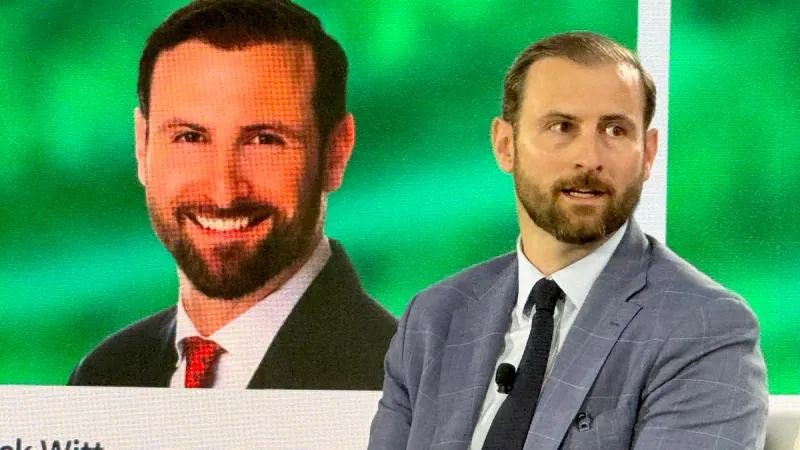
Patrick Witt, a Trump administration adviser on cryptocurrency policy, posted statements on X backing six House bills designed to establish clearer tax rules for crypto activities. The bills target staking rewards, mining income, and transactions involving digital assets—areas where IRS guidance has remained sparse or contradictory since 2017.
Witt's endorsement carries weight as a signal of potential administration willingness to work with Congress on crypto tax reform. The timing suggests alignment between the White House and House lawmakers on the need for legislative clarity rather than relying on IRS interpretation.
Scope of the Proposed Legislation
The six bills collectively address some of the most contentious points in crypto taxation. Staking rewards—income earned by network validators—have been treated inconsistently by tax authorities. Mining operations face similar uncertainty about whether equipment depreciation and electricity costs can offset taxable income. The bills also seek to clarify treatment of like-kind exchanges and wash-sale rules as they apply to digital assets.
These legislative efforts reflect industry longstanding complaint that existing tax code was written before crypto existed, forcing taxpayers and practitioners to extrapolate from securities and commodities frameworks that may not fit.
Political Context
The endorsement occurs as the incoming Trump administration prepares to take office. If the bills advance through committee and floor votes, they would likely face scrutiny from the Senate Finance Committee and White House tax policy officials. The backing from an adviser close to Trump suggests the administration may not obstruct such measures, though formal legislative priority remains unclear.
Why It Matters
For Traders
Clearer tax treatment of staking and mining could reduce compliance uncertainty for active traders and node operators, though legislative passage timeline remains uncertain.
For Investors
Codified tax rules for staking and mining reward income would lower compliance friction for long-term token holders earning yield on major networks.
For Builders
Explicit tax guidance on staking and mining income could increase institutional participation in proof-of-stake networks and reduce regulatory risk for node-running infrastructure.
This article is for information only and is not financial advice. Read the full disclaimer.