Trump Pushes US AI Firms to Secure Own Energy for Data Centers
Donald Trump has urged U.S. artificial intelligence companies to develop independent energy sources for their data centers rather than rely on the grid. The move could reshape power allocation between AI infrastructure and cryptocurrency mining operations.
Written by CoinArticle’s AI Newsroom · from 1 cited source. How we work
Trump's Call for Energy Independence
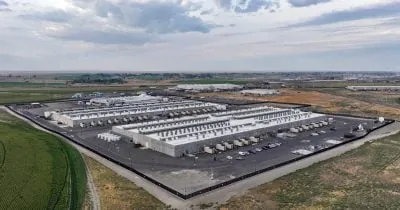
Trump has publicly encouraged major U.S. AI companies to build or secure dedicated energy capacity for their data center operations. Rather than compete for grid power through existing utility channels, the incoming administration is signaling preference for AI firms to develop self-sustained energy infrastructure. The statement reflects broader concerns about electricity availability as both AI and cryptocurrency mining operations scale rapidly across the country.
Implications for Mining and Power Markets
A shift toward corporate-owned energy infrastructure for AI could meaningfully alter the competitive dynamics for electricity access. Cryptocurrency miners, which have historically negotiated bilateral power deals with generators and utilities, may face tighter constraints if large tech companies move to secure long-term energy contracts or build their own generation capacity. Energy markets could fragment further, with major computation workloads increasingly purchasing power directly from sources like nuclear, solar, and wind rather than through centralized grid auctions.
Broader Context on Infrastructure and Competition
The policy preference signals administration priority on keeping advanced AI capabilities within the U.S. as geopolitical competition with China intensifies. Securing domestic energy supply for AI infrastructure is framed as both an economic efficiency measure and a national security consideration. The approach parallels broader discussions about reshoring semiconductor and advanced technology manufacturing, though the energy dimension adds a layer of complexity around land use, environmental permitting, and utility regulation.
Why It Matters
For Traders
Reduced grid availability for miners could pressure profitability for operations without captive power; long-duration energy hedges may become more valuable.
For Investors
Energy costs remain the largest operating expense for both AI and mining; structural changes to power allocation signal longer-term margin pressure or opportunity depending on firm positioning.
For Builders
Infrastructure projects that bundle compute with renewable energy generation may become more competitive; protocols should factor potential energy cost volatility into long-term modeling.
This article is for information only and is not financial advice. Read the full disclaimer.