Trump's Refusal to Pardon Bankman-Fried Signals Tougher Crypto Scrutiny
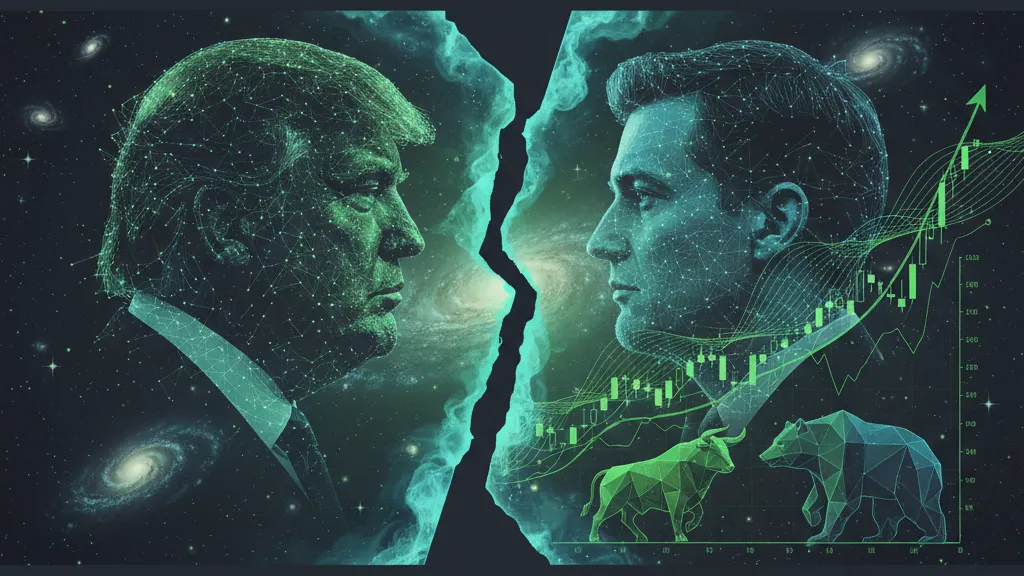
Former President Donald Trump has officially declined to pardon Sam Bankman-Fried, the former CEO of FTX, amidst the ongoing fallout from the exchange's collapse. This pivotal decision highlights the evolving legal landscape and regulatory pressures facing the cryptocurrency industry.
Written by CoinArticle’s AI Newsroom · from 1 cited source. How we work
Donald Trump Declines to Pardon Sam Bankman-Fried
In a recent disclosure reported by the New York Times (NYT), former U.S. President Donald Trump announced he will not consider a pardon for Sam Bankman-Fried, the former CEO of cryptocurrency exchange FTX. This decision comes amidst heightened scrutiny regarding Bankman-Fried’s involvement in one of the most significant collapses in the cryptocurrency sector, leaving thousands of investors facing financial uncertainty.
Trump's choice not to pardon Bankman-Fried underscores the complexities surrounding the legal and ethical landscapes of the crypto industry, particularly as it faces increasing scrutiny from regulators and lawmakers. Once celebrated as a pioneer in the crypto realm, Bankman-Fried now faces multiple charges related to fraud and financial misconduct following FTX's bankruptcy in late 2022.
Trump Defends His Ties to Crypto
In the same conversation that led to his decision on Bankman-Fried, Trump defended his family's connections to the cryptocurrency industry. His remarks indicate an ongoing effort to position himself as knowledgeable and engaged with emerging financial technologies, while simultaneously distancing himself from Bankman-Fried's controversial actions and the aftermath of FTX’s collapse. This nuanced stance may influence public perception not only of Trump but also of the broader cryptocurrency industry, which is currently facing intense regulatory pressure and market volatility.
Why It Matters
For Traders
Trump's announcement signals that regulatory bodies could adopt a tougher stance on the crypto industry, highlighting the necessity for traders to remain vigilant. His refusal to pardon a high-profile figure like Bankman-Fried may reinforce the perception of increased market scrutiny, potentially shifting trading strategies to account for regulatory risks.
For Investors
The decision not to issue a pardon could have significant ramifications for investor confidence in the crypto space. Investors might respond to Trump's comments by questioning the stability of their investments in cryptocurrencies and exchanges operating under similar frameworks as FTX, affecting market capitalization and prompting a re-evaluation of risk assessments in crypto investments.
For Builders
For developers and entrepreneurs in the crypto industry, this situation underscores the critical importance of establishing robust regulatory frameworks and ethical practices. As scrutiny increases, builders should prioritize transparency and compliance to cultivate trust among users and investors. The discourse surrounding Bankman-Fried serves as a cautionary tale, reinforcing the idea that sustainable growth in crypto requires not only innovation but also adherence to sound governance practices.
In summary, Trump's refusal to pardon Sam Bankman-Fried represents a pivotal moment in the ongoing saga of the cryptocurrency industry, highlighting the challenges and opportunities that lie ahead for all stakeholders involved.
This article is for information only and is not financial advice. Read the full disclaimer.