Trump Claims China Stole 220M US Voter Files Amid Diplomatic Tensions
Former President Trump alleged that China stole 220 million U.S. voter files, escalating tensions between the two nations. The claim comes as prediction markets assess the likelihood of a Xi Jinping U.S. visit before 2027.
Written by CoinArticle’s AI Newsroom · from 1 cited source. How we work
Trump's Allegation
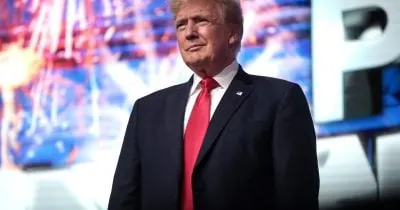
Former President Donald Trump claimed Tuesday that China had stolen 220 million U.S. voter files, characterizing the alleged breach as a major national security incident. Trump did not provide publicly available evidence or a timeline for when the theft allegedly occurred, nor did he specify which government or law enforcement agency had confirmed the claim.
Diplomatic Context
The allegation, if substantiated, would complicate ongoing efforts to stabilize U.S.-China relations. Prediction markets currently price the probability of Chinese President Xi Jinping visiting the United States before 2027 at 87%, suggesting traders expect some form of diplomatic engagement despite rising tensions over data security and intellectual property theft.
Market and Information Gaps
No cybersecurity firms, federal agencies, or independent researchers have publicly corroborated Trump's specific figures or timeline as of publication. The claim adds to a broader pattern of U.S.-China friction over cyber espionage and election security, though verification remains pending from authoritative sources.
Why It Matters
For Traders
Geopolitical friction between the U.S. and China typically increases volatility in risk assets; monitor BTC and ETH spot premium on U.S. exchanges for signs of capital movement.
For Investors
Escalating U.S.-China tensions could delay or derail regulatory clarity on crypto frameworks that depend on international coordination, particularly stablecoin oversight.
For Builders
Cross-border settlement and compliance infrastructure may face tighter scrutiny if U.S.-China relations deteriorate further, affecting stablecoins and Layer 2s relying on global liquidity.
This article is for information only and is not financial advice. Read the full disclaimer.