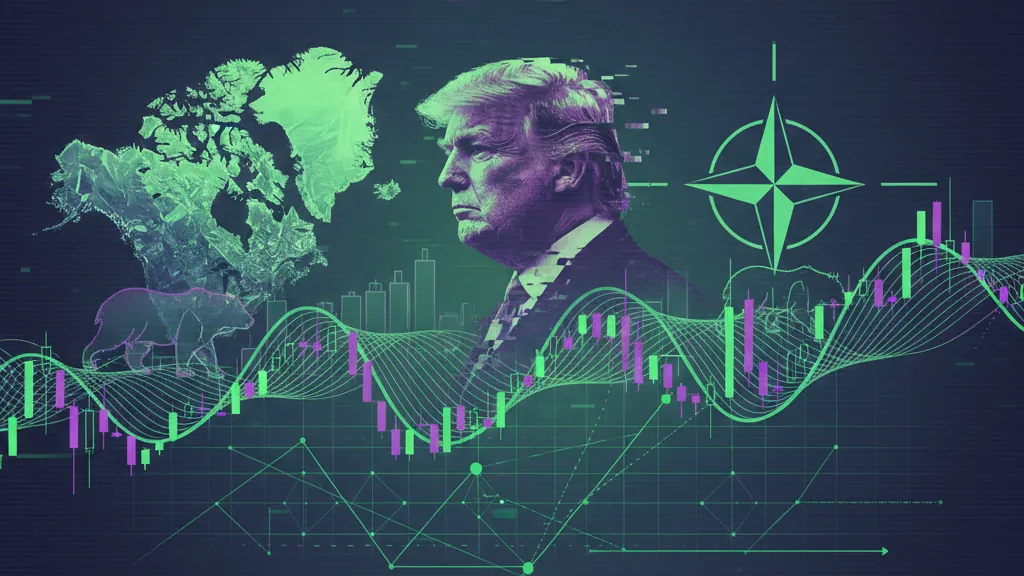
Trump Reverses Planned Tariffs on NATO Nations After Greenland Talks
Former President Donald Trump has reversed his decision to impose a 10% tariff on NATO nations, initially set for February 1. This notable change follows recent discussions about Greenland and potential Arctic cooperation.
Written by CoinArticle’s AI Newsroom · from 1 cited source. How we work
Trump Reverses Planned Feb 1 Tariffs on NATO Nations After Greenland Talks
In a surprising turn of events, former President Donald Trump has announced the reversal of his plan to impose a 10% tariff on NATO nations, originally set to take effect on February 1. This noteworthy shift arises after recent discussions emphasizing Greenland and the Arctic, culminating in a framework deal.
The proposed tariffs were part of Trump's broader agenda aimed at recalibrating trade relations with allied nations. Initially, their announcement sparked considerable concerns among economic experts and policymakers, who worried about the potential negative impact on transatlantic relations and global trade dynamics. These looming tariffs raised questions about future cooperation among NATO members as market stakeholders tried to decipher their implications for international trade and defense spending commitments.
The Deal on Greenland
Discussions regarding Greenland focused on various strategic interests, including resource extraction and geopolitical positioning in the Arctic region. The talks underscored the increasing global competition over Arctic resources, gaining significant attention due to climate change and melting ice caps. The framework deal reached during these discussions potentially includes commitments from both the U.S. and NATO partners to enhance cooperation in Arctic governance, security, and resource management.
By reversing the tariffs, Trump may have opened the door for stronger alliances with NATO nations, fostering a cooperative approach in the face of shared challenges. This could signify a commitment to mutual interests rather than confrontational trade policies.
Why It Matters
For Traders
The reversal of tariffs is likely to ease investor concerns regarding trade friction between NATO countries and the United States; this change could stabilize markets, especially in sectors reliant on transatlantic trade and defense contracts.
For Investors
From an investment perspective, canceling the planned tariffs can foster a more predictable economic environment, encouraging renewed interest from investors in businesses with exposure to NATO nations.
For Builders
For builders and manufacturers, the decision eliminates the risk of potential price hikes on materials sourced from NATO countries, promoting competitive pricing and smoother supply chains that could stimulate growth in construction and manufacturing.
This article is for information only and is not financial advice. Read the full disclaimer.