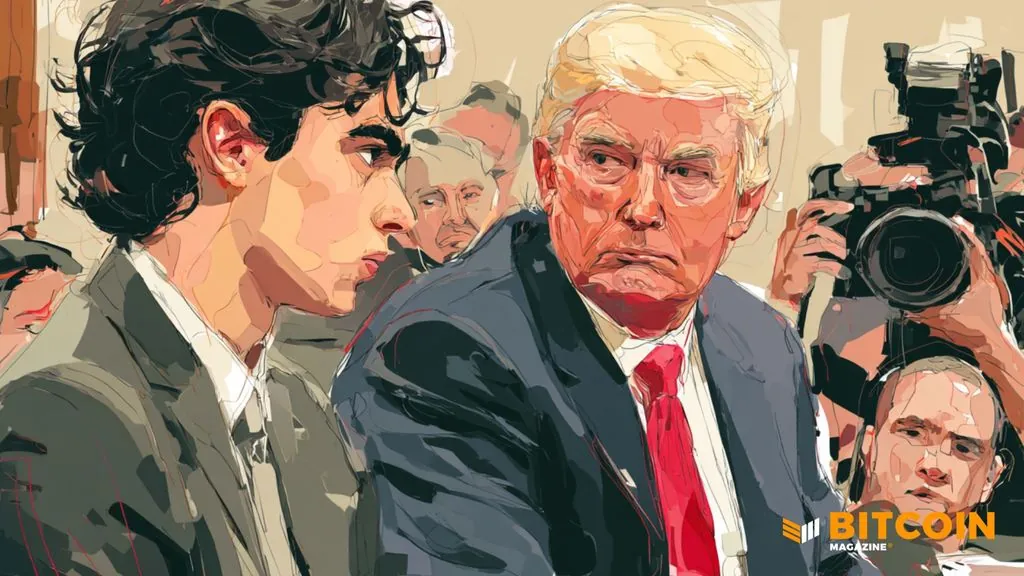
Trump Ends SBF Pardon Talks as Crypto Regulation Intensifies
Former President Donald Trump has closed the door on pardon discussions for Sam Bankman-Fried, highlighting a new era of accountability in the cryptocurrency sector. As regulatory scrutiny increases, stakeholders in the crypto market must adjust to the evolving landscape.
Written by CoinArticle’s AI Newsroom · from 1 cited source. How we work
Trump Shuts Down SBF Pardon Talk as Crypto Justice Hardens
In a definitive move underscoring the evolving landscape of regulatory actions in the cryptocurrency sector, former President Donald Trump has officially announced that he will not consider a pardon for Sam Bankman-Fried (SBF), the founder of the now-defunct FTX exchange. This announcement marks a significant moment in what many are calling a stricter era of "crypto justice," where accountability and consequences for actions in the digital currency space are increasingly prioritized.
Following SBF's dramatic rise and subsequent fall from grace, conversations around a potential pardon circulated among various factions hoping to leverage Trump's political stature. However, Trump's firm rejection of these talks sends a clear message that even high-profile figures within the crypto community are not exempt from the law's reach. The decision reflects a broader sentiment within regulatory circles trending toward ensuring that cryptocurrency leaders face the implications of their actions, especially in light of the observed malpractices associated with FTX.
The Growing Complexity of Crypto Regulation
The fallout from the FTX collapse has spotlighted the need for comprehensive regulatory frameworks that address the challenges of digital assets. As regulations tighten globally, the approach to oversight in the cryptocurrency space is becoming more vigilant. Lawmakers and enforcement agencies are ramping up efforts to establish standards and guidelines, emphasizing the seriousness of compliance and governance within cryptocurrency operations.
The dialogue around cryptocurrency regulation has shifted, with tighter enforcement expected not only in the United States but also in international markets. This evolving environment challenges what some have termed the "Wild West" of cryptocurrency, pushing for more rigid structures that can mitigate fraud and protect investors.
Why It Matters
For Traders
Traders must now navigate a landscape with less tolerance for unethical practices, potentially leading to a more stable trading environment despite increased regulatory scrutiny. It's essential for traders to stay informed about evolving regulations and adjust their strategies as enforcement becomes more rigorous.
For Investors
Investors may find renewed assurance in the integrity of the cryptocurrency sector if enforcement and regulation continue to grow, fostering a more transparent market. This shift could attract institutional investments that have previously hesitated due to compliance concerns. However, investors should remain cautious, as stricter regulations may signal potential market volatility during transitional phases.
For Builders
For developers and entrepreneurs in the crypto space, the clarification of legal boundaries presents both challenges and opportunities. While navigating increased compliance requirements may complicate the launch of new projects, those who can create solutions within these frameworks are likely to gain a competitive edge in the maturing market. A structured regulatory environment can also enhance overall trust in blockchain technologies, encouraging innovation and robust development.
In conclusion, as Trump shuts down the SBF pardon discussions, the contentions around crypto justice reinforce a pivotal moment for the industry. Moving forward, all stakeholders must adapt to a changing narrative that emphasizes compliance and accountability within this dynamic sector.
This article is for information only and is not financial advice. Read the full disclaimer.