TSMC CEO: Taiwan's AI Chip Edge Nearly Impossible to Challenge
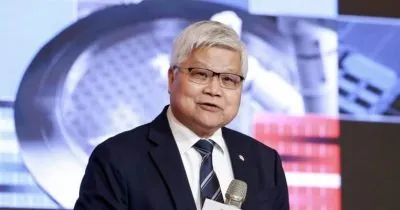
TSMC Chief Executive C.C. Wei said Tuesday that Taiwan's dominance in AI chip manufacturing is so entrenched that competing nations face an extremely difficult task catching up. The statement underscores Taiwan's critical role in the global semiconductor supply chain and its leverage in geopolitical tech strategy.
Written by CoinArticle’s AI Newsroom · from 1 cited source. How we work
Taiwan's Manufacturing Moat
TSMC Chief Executive C.C. Wei stated that Taiwan's advantage in advanced AI chip production is nearly impossible for rival nations to challenge, according to remarks made this week. Wei cited the island's existing manufacturing infrastructure, technical expertise, and investment scale as the basis for what he characterized as a durable competitive position. The assessment reflects TSMC's status as the world's largest contract chipmaker and the primary supplier of cutting-edge processors for both AI accelerators and consumer semiconductors.
Geopolitical Implications
Wei's comments align with broader statements from Taiwanese officials and Western policymakers who view semiconductor manufacturing as a critical national security asset. Taiwan produces over 60% of the world's semiconductors and more than 90% of advanced chips used in AI systems, according to industry analysts. The U.S. and European Union have responded by subsidizing domestic chip fabrication capacity, but construction timelines and manufacturing expertise gaps mean years or decades before alternatives reach parity with TSMC's capabilities.
Market Context
TSMC's dominance in AI chips reflects soaring demand for processors that power large language models and other machine learning workloads. The company reported record revenues in 2024 driven partly by orders for high-bandwidth memory and graphics processing units from cloud providers and AI infrastructure firms. Wei's statement is likely to intensify policy discussions in Washington, Brussels, and Beijing about semiconductor self-sufficiency and the risks of relying on Taiwan for critical technology inputs.
Why It Matters
For Traders
TSMC's entrenched market position reinforces its pricing power and revenue visibility, supporting equity valuations but offering limited upside catalyst for trading-oriented timescales.
For Investors
Taiwan's semiconductor monopoly in advanced AI chips creates long-term moat but also geopolitical risk; diversification initiatives elsewhere may eventually erode margins.
For Builders
Protocol and infrastructure teams reliant on AI acceleration hardware should monitor TSMC capacity timelines and alternative foundry roadmaps for hardware-adjacent services.
This article is for information only and is not financial advice. Read the full disclaimer.