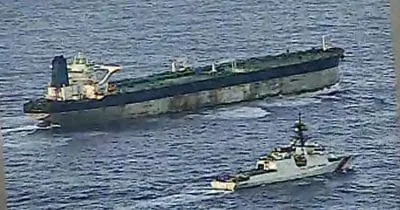
UK Intercepts Russian Oil Tanker in English Channel Amid Shadow Fleet Crackdown
UK authorities stopped a Russian oil tanker in the English Channel as part of escalating enforcement against shadow fleet vessels used to circumvent sanctions. The interception underscores geopolitical risks to maritime trade and global energy markets.
Written by CoinArticle’s AI Newsroom · from 1 cited source. How we work
Maritime Enforcement Escalates
The UK intercepted a Russian oil tanker in the English Channel, marking the latest action in a coordinated push to disrupt shadow fleet operations used to evade international sanctions. Shadow fleets—aging vessels operating under obscured ownership and poor maintenance standards—have become a primary mechanism for Russia to export crude oil despite Western restrictions.
Geopolitical and Market Implications
The interception reflects heightened enforcement coordination among Western maritime authorities. Shadow fleet vessels operate with minimal transparency and often disable automatic identification systems, making detection difficult. Successful interceptions raise operational costs and shipping delays for sanctioned Russian oil exports, which can create volatility in global crude prices and tighten supply routes.
Escalating maritime enforcement also signals broader Western resolve to enforce energy sanctions, though Russia has shown persistent ability to route shipments through alternative channels and flag states. The enforcement environment remains fluid and contested.
Why It Matters
For Traders
Energy price volatility may persist as shadow fleet disruptions create supply chain friction; crude and natural gas positions could see intraday swings on enforcement headlines.
For Investors
Geopolitical sanctions enforcement affects cross-border energy flows and inflation; portfolios exposed to commodity volatility and shipping stocks warrant monitoring.
For Builders
On-chain energy commodity platforms and derivatives protocols face demand for better price discovery as physical markets experience increased geopolitical friction.
This article is for information only and is not financial advice. Read the full disclaimer.