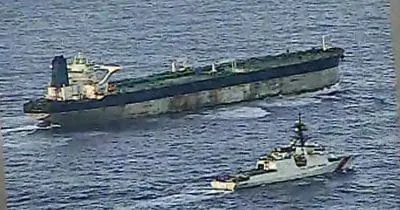
UK Navy Intercepts Russian Shadow Fleet Tanker in English Channel
British naval forces intercepted a Russian shadow fleet tanker in the English Channel as part of sanctions enforcement operations. The action underscores escalating UK efforts to disrupt Russia's circumvention of oil export restrictions.
Written by CoinArticle’s AI Newsroom · from 1 cited source. How we work
Interception Details
British forces stopped a Russian shadow fleet tanker in the English Channel, marking a direct enforcement action against vessels operating outside official registries to evade sanctions. Shadow fleet operators typically use older ships with obscured ownership and disabled tracking systems to move sanctioned commodities, circumventing international restrictions on Russian crude exports.
Sanctions Enforcement Context
The interception reflects intensifying UK commitment to enforce G7 price caps and EU sanctions on Russian energy exports. The move carries dual implications: it signals tighter maritime surveillance of European waters, and it may provoke diplomatic tension with Moscow while affecting global oil supply calculations. Shadow fleet operations have become a primary mechanism through which Russia maintains crude sales despite Western restrictions, with estimates placing the fleet at over 1,000 vessels globally.
Why It Matters
For Traders
Tightened shadow fleet enforcement could reduce Russian crude supply flexibility, supporting oil price floors though the effect depends on enforcement consistency across multiple maritime zones.
For Investors
Escalating UK-Russia economic friction raises geopolitical risk premiums; portfolios exposed to energy volatility or emerging market currencies may see pressure if tensions widen.
For Builders
Blockchain-based supply chain and sanctions compliance tools face renewed demand as traditional maritime surveillance tightens; on-chain commodity tracing protocols may gain institutional traction.
This article is for information only and is not financial advice. Read the full disclaimer.