Exploring Scalable DEX Architecture: Enhancing Liquidity, Latency & Security
This article delves into the essential data architecture of scalable decentralized exchanges (DEXs), focusing on liquidity, latency, and MEV protection. Discover how these facets contribute to a superior trading experience for users and a robust platform for builders.
Written by CoinArticle’s AI Newsroom · from 1 cited source. How we work
Understanding the Data Architecture of Scalable DEXs
Decentralized exchanges (DEXs) are rapidly becoming cornerstones of the cryptocurrency landscape, enabling trading without intermediaries. Despite their growing popularity, the intricate architecture that supports these platforms often goes unnoticed. As DEXs evolve, they tackle three pivotal challenges: liquidity, latency, and a crucial aspect known as MEV (Miner Extractable Value) protection. Successfully addressing these components is essential for attracting and retaining users who demand high performance and security in their trading experience.
The Challenge of Liquidity
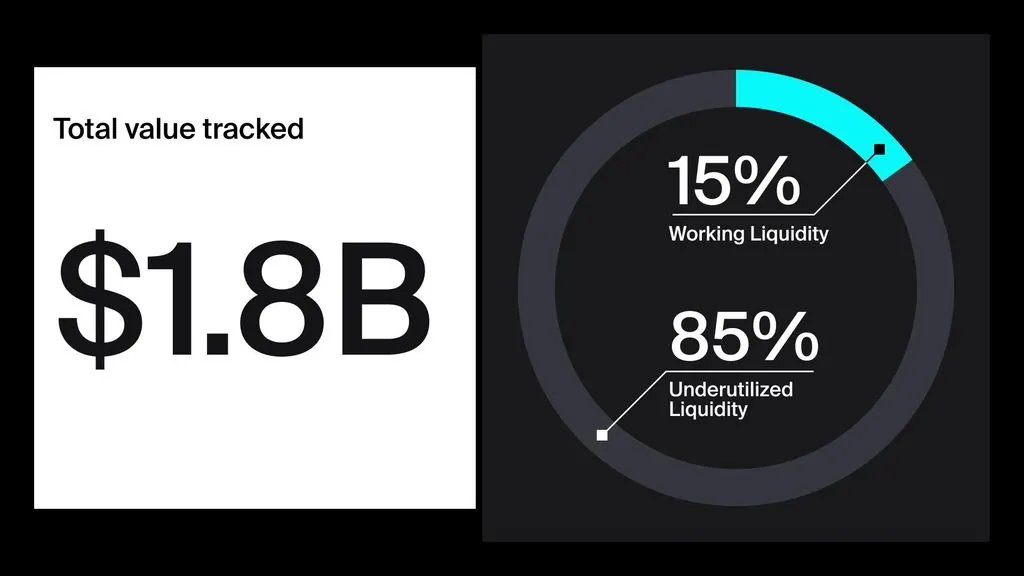
Liquidity is a core concern for any trading platform. A thriving market allows users to execute trades with minimal slippage, ensuring fair pricing for their assets. Leading DEXs utilize sophisticated data architectures integrated with automated market makers (AMMs) and liquidity pools. These strategies not only enhance liquidity but also incentivize users to contribute capital to the ecosystem. By harnessing these mechanisms, DEXs foster a user-friendly trading environment that appeals to both retail and institutional traders.
Addressing Latency
Latency—representing the duration it takes to process trades—can significantly impact the effectiveness of a DEX. High latency can lead to lost opportunities and poor pricing, frustrating users in the process. To counteract this challenge, scalable DEXs are adopting state-of-the-art technologies, including off-chain computation and optimized data routing, aimed at accelerating transaction speeds. By mitigating latency issues, these platforms work to refine the user experience, bolster trust, and attract more participants into their ecosystems.
MEV Protection
Miner Extractable Value (MEV) poses a significant challenge within the DEX landscape. This refers to potential profits miners can gain by strategically ordering or censoring transactions within a block. For everyday users, a DEX’s safety encompasses much more than just audits or visual indicators of security. Users are unlikely to remain loyal when trading feels arbitrary or vulnerable to front-running and other unfair tactics. To cultivate trust within their user base, innovative DEXs are now employing MEV protection strategies that promote equitable transaction ordering and bolster overall security.
Why It Matters
For Traders
For individual traders, a combination of robust liquidity, reduced latency, and effective MEV protection can distinguish a successful trading experience from a frustrating one. As traders increasingly tailor their approaches, engaging with a DEX that excels in these areas is paramount.
For Investors
Investors should assess a DEX’s potential based on its ability to address liquidity, latency, and robust security measures. A platform that thrives in these domains is likely to attract users, enhance trading volumes, and subsequently obtain a favorable valuation.
For Builders
For developers and creators in the cryptocurrency space, grasping the intricacies of scalable DEX architecture is essential. By honing in on liquidity, latency, and MEV protection, builders can construct standout platforms in a competitive landscape, driving innovation and user satisfaction.
This article is for information only and is not financial advice. Read the full disclaimer.