Major Regulatory Changes Loom for U.S. Cryptocurrency Landscape by 2026
As the cryptocurrency sector in the United States braces for potential regulatory transformations by 2026, critical discussions on stablecoins and jurisdictional authority are set to shape the industry’s future. Stakeholders must prepare for new compliance standards and operational frameworks.
Written by CoinArticle’s AI Newsroom · from 1 cited source. How we work
Regulatory Framework Poised for Major Changes
The cryptocurrency landscape in the United States stands at a pivotal crossroads as industry observers anticipate substantial regulatory changes by 2026. This timeline signifies a crucial phase for digital asset regulation, with policymakers striving to establish comprehensive frameworks that could fundamentally reshape the industry's future in America.
Key Areas of Contention
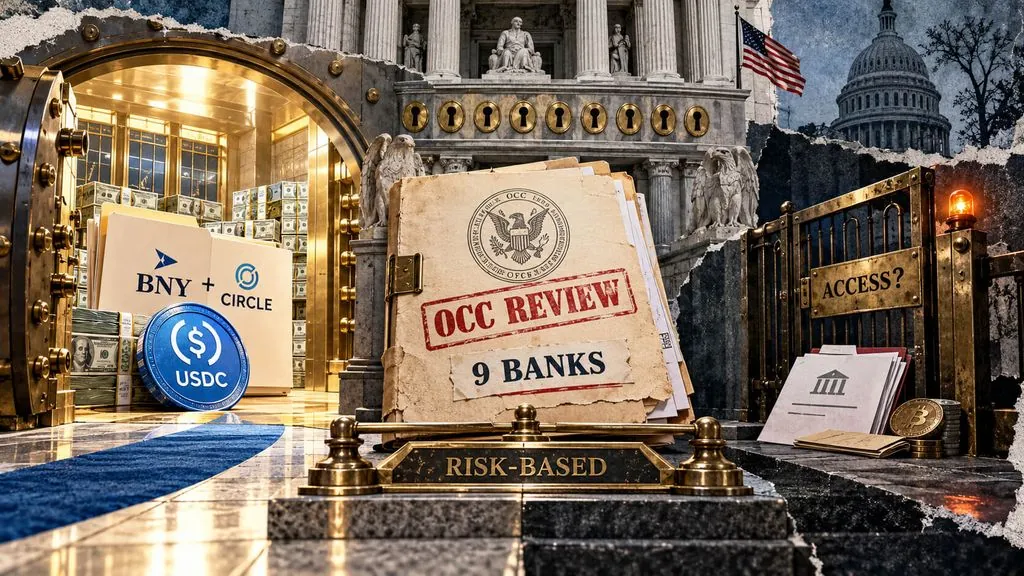
Two primary issues have emerged as central points of contention among regulators and lawmakers. The regulation of stablecoins represents one of the most contentious topics within this discourse. Ongoing debates regarding how these dollar-pegged digital assets should be classified and supervised underscore the urgency for regulatory clarity, given the critical role stablecoins play within the broader cryptocurrency ecosystem.
Moreover, the question of jurisdictional authority over cryptocurrency oversight remains unresolved. The debate surrounding which regulatory bodies should hold primary oversight of digital assets continues to spark discussions among federal agencies and congressional committees, creating further uncertainties in the regulatory landscape.
Implications for the Industry
The anticipated regulatory shifts carry profound implications for a myriad of stakeholders within the cryptocurrency ecosystem. Businesses operating in the United States face an extended period of uncertainty as they await clearer guidelines pertaining to compliance requirements and operational standards. This evolution in regulation could impact everything from exchange operations to token issuance and trading practices.
Specifically for stablecoin issuers, the outcome of current regulatory discussions is poised to dictate business models and market participation criteria. These digital assets serve as essential conduits between traditional finance and cryptocurrency markets, and any imposition of new reserve requirements, licensing standards, or disclosure obligations could substantially alter their operational frameworks.
Additionally, the resolution of jurisdictional questions is expected to have significant repercussions. A well-defined delineation of regulatory authority could streamline compliance processes for industry participants while potentially reducing the regulatory overlap and conflicting guidance that has characterized the current environment, allowing for more predictable business operations.
Looking Ahead
The prospect of regulatory changes by 2026 suggests that substantial development work is still underway. As discussions continue regarding stablecoin frameworks and jurisdictional authority, market participants are keenly monitoring legislative and regulatory proposals that could provide the clarity the industry has long craved.
The ultimate shape of these regulations will not only influence domestic cryptocurrency operations but may also determine America's competitive stance in the global digital asset economy. While significant disagreements remain on pivotal issues, the path toward more defined regulatory structures appears increasingly evident.
Why It Matters
For Traders:
Traders should remain vigilant as upcoming regulations could influence market dynamics and trading strategies, especially concerning stablecoin liquidity and exchange operations.
For Investors:
Long-term investors must consider how regulatory clarity and potential new requirements may impact the stability and usability of digital assets within their portfolios.
For Builders:
Developers and builders in the crypto space should prepare for evolving compliance requirements which could affect product design, user experience, and overall business models in the industry.
This article is for information only and is not financial advice. Read the full disclaimer.