US Dollar Remains Resilient: Analysis of IMF's Latest Reserves Data
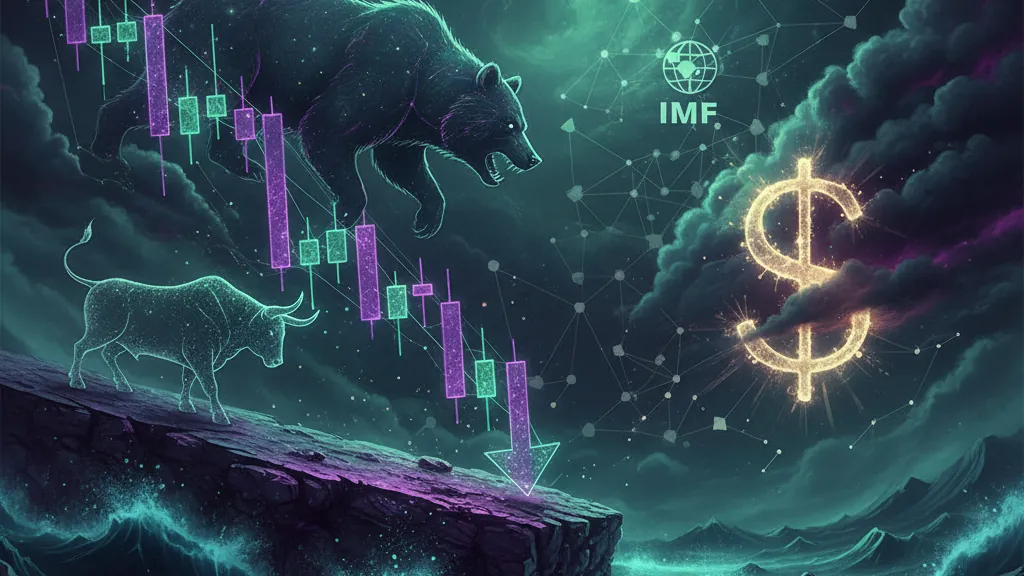
The IMF's recent Q2 2025 data shows a decline in the US dollar's global reserve share, but much of this is due to exchange-rate fluctuations rather than significant dedollarization. This insight challenges prevailing narratives about Bitcoin's potential rise as an alternative store of value.
Written by CoinArticle’s AI Newsroom · from 1 cited source. How we work
Dollar Dominance Persists Despite Headline Decline
The International Monetary Fund's latest Currency Composition of Official Foreign Exchange Reserves (COFER) data for Q2 2025 shows that the US dollar's share of global reserves has dropped to 56.32%. However, a closer inspection indicates that this decline might not be as alarming as the headline figures suggest, especially for cryptocurrency markets.
Exchange-Rate Effects Drive Apparent Decline
The IMF report reveals that around 92% of the decline in the dollar's reserve share can be attributed to exchange-rate fluctuations rather than intentional portfolio rebalancing by central banks. When adjusting for these currency valuation shifts, the dollar's actual reserve standing reflects a more modest drop to 57.67%.
This crucial distinction aids in deciphering the intricate dynamics of global reserve management. Exchange-rate effects merely show how currencies perform relative to each other, rather than indicating a proactive move by monetary authorities to diversify away from dollar-denominated assets.
Implications for Bitcoin's Dedollarization Thesis
The fresh COFER data challenges a rising notion within cryptocurrency discussions: that widespread dedollarization would act as a powerful catalyst for Bitcoin adoption. Advocates of this theory have claimed that as central banks lessen their dependence on the US dollar, alternative assets like Bitcoin would attract heightened institutional interest.
Yet, with the bulk of the dollar's reserve share decline arising from mechanical exchange-rate movements instead of strategic asset allocations, the fundamental premise supporting this bullish Bitcoin narrative seems to weaken. Central banks are not pivoting out of dollar reserves at the rate some market participants had predicted, calling into question the robustness of the dedollarization argument.
Reserve Currency Landscape Remains Stable
The COFER data underscores the US dollar's enduring supremacy in global finance, even amidst geopolitical tensions and the evolving conversation surrounding multipolar currency systems. While the dollar's share has experienced a gradual decline from its historical highs, the manner and speed of this change indicate that we are witnessing an evolutionary shift in central bank reserve strategies rather than a revolutionary one.
Conclusion
The IMF's Q2 2025 COFER findings provide essential context for investors assessing Bitcoin's fundamental catalysts. Although the US dollar's nominal reserve share is on a slow decline, the prominent role of exchange-rate effects—rather than an active trend of dedollarization—suggests that expectations for rapid shifts away from dollar dominance may be premature. For Bitcoin advocates leaning on dedollarization narratives, these insights offer a complex view that merits careful reconsideration of investment strategies based on this assumption.
Why It Matters
Traders
Understanding the nuances of the dollar's reserve status can help traders navigate market volatility and make more informed decisions regarding altcoin investments, including Bitcoin.
Investors
Long-term investors should consider the broader implications of currency reserve dynamics and their impact on adoption trends for cryptocurrencies like Bitcoin, which may be influenced by central bank strategies.
Builders
Developers in the crypto space can leverage insights from a stable dollar environment to craft applications that enhance the utility of Bitcoin and other cryptocurrencies, ensuring they remain appealing in a fluctuating economic landscape.
This article is for information only and is not financial advice. Read the full disclaimer.