U.S. Economy Stalls Amid High Inflation: What It Means for Crypto
As the U.S. economy enters 2026 with slowing growth and ongoing inflation, the Federal Reserve faces tough decisions. This situation creates unique opportunities and risks for traders, investors, and builders in the cryptocurrency space.
Written by CoinArticle’s AI Newsroom · from 1 cited source. How we work
The U.S. Economy Almost Stalled, But Inflation Stayed Too Hot for an Easy Fed Rescue
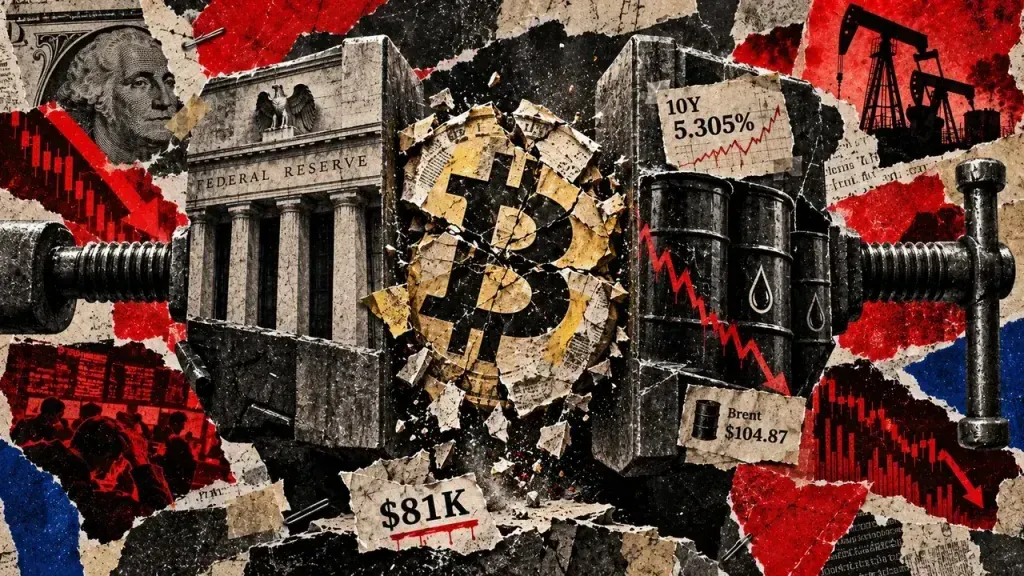
As 2026 begins, the U.S. economy finds itself in a precarious position, entering the new year with significantly less momentum than financial markets had anticipated. Recent data from the Bureau of Economic Analysis revealed that fourth-quarter GDP growth for 2025 was notably revised down to just 0.5%, a dramatic decline from the robust 4.4% pace recorded in the third quarter. This slowdown raises questions about the resilience of the U.S. economy, especially in light of persistent inflationary pressures that continue to complicate the Federal Reserve's ability to respond effectively.
Economic Data Overview
The updated GDP figures signal a marked deceleration in economic activity. The sharp drop from the previous quarter raises concerns about consumer spending, business investment, and overall economic confidence—a trifecta that typically fuels growth. Meanwhile, inflation metrics remain uncomfortably high, defying expectations for a modest easing. The combination of stagnating growth and stubborn inflation creates a challenging environment for policymakers at the Federal Reserve, who may find themselves in a difficult position as they consider their next moves.
Why It Matters
For Traders
Traders in the financial markets should closely monitor the evolving economic landscape. The revised GDP figures suggest a potential for increased volatility as traders reassess their positions in light of slower growth. Additionally, persistent inflation may prompt speculative moves in commodity markets and fuel shifts in currency pairings, as traders digest announcements from the Federal Reserve regarding interest rate changes or policy adjustments.
For Investors
The latest economic indicators underline the importance of cautious investment strategies. Investors may want to reconsider sector allocations, leaning towards defensive stocks that can weather economic slowdowns or inflationary pressures better than growth-oriented sectors. As growth slows, companies that prioritize profitability and have strong balance sheets may offer better resilience during turbulent times. Furthermore, alternative assets, including cryptocurrencies, may attract investors seeking a hedge against traditional market fluctuations and inflation.
For Builders
For entrepreneurs and builders in the digital space, particularly in the cryptocurrency sector, the economic context presents both challenges and opportunities. High inflation may drive interest in decentralized finance (DeFi) solutions as individuals seek alternatives to traditional finance. Builders can leverage this environment to innovate and present compelling offerings that address inflation hedging and financial accessibility. However, careful attention must be paid to market conditions as they develop, ensuring that products are adaptable to the shifting economic landscape.
In conclusion, the U.S. economy's weak momentum and persistent inflation present a complex scenario requiring strategic navigation across trading, investing, and building. As 2026 unfolds, the interplay between these economic factors will shape market dynamics and potential opportunities for all stakeholders involved.
This article is for information only and is not financial advice. Read the full disclaimer.