US-Iran Ceasefire Deal Could Stabilize Oil Markets, Easing Crypto Macro Headwinds
The US and Iran are near a deal to extend a ceasefire and reopen the Strait of Hormuz, potentially stabilizing global oil markets. Reduced energy price volatility could lower inflation expectations and ease macroeconomic pressure on risk assets including cryptocurrencies.
Written by CoinArticle’s AI Newsroom · from 1 cited source. How we work
Geopolitical Development
The US and Iran are nearing an agreement to extend a ceasefire and reopen the Strait of Hormuz, according to reporting. A successful deal would represent a significant de-escalation in Middle East tensions that have periodically disrupted energy supplies and roiled financial markets over the past 18 months.
Market Implications
Stabilization of the Hormuz corridor—through which roughly 20% of global seaborne oil passes—would remove a key supply-side constraint on crude prices. Oil's recent volatility has complicated the Federal Reserve's inflation outlook and weighed on risk appetite across equities and cryptocurrencies. A credible reopening agreement could lower near-term energy price expectations and reduce the urgency of sustained high interest rates, a structural headwind for Bitcoin and other non-yielding assets.
Context
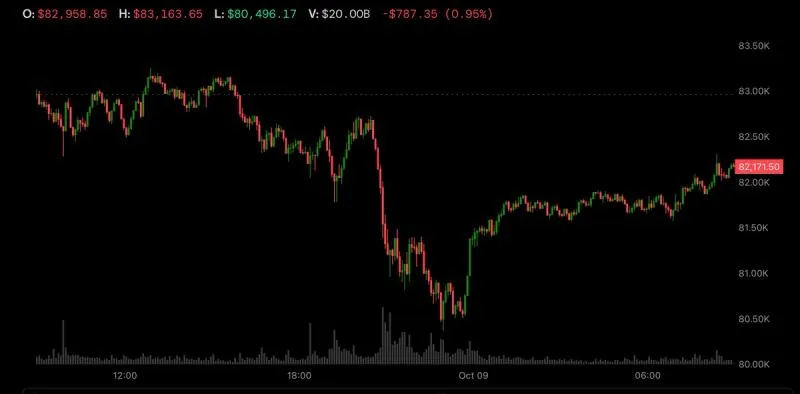
Cryptocurrency markets track macro conditions closely; Bitcoin has fallen 8% over the past three months as traders priced in sticky inflation and elevated rate-hold expectations. Regional conflicts that threaten energy infrastructure typically spike crude and widen safe-haven demand, often dampening appetite for speculative assets. A durable ceasefire would reverse that dynamic, though the extent of any bounce remains contingent on deal details and implementation.
Why It Matters
For Traders
Oil price stability reduces volatility in real rates and risk-off positioning that have pressured Bitcoin and altcoins; watch crude futures reaction for directional cues on near-term risk appetite.
For Investors
De-escalation in the Middle East lowers tail-risk premium in macro assets, potentially supporting longer-duration risk appetite and reducing the structural bid for hard assets as inflation hedges.
For Builders
Sustained elevated oil prices have raised infrastructure costs for data centers and validator hardware; lower energy costs reduce operational overhead for proof-of-work networks and on-chain compute.
This article is for information only and is not financial advice. Read the full disclaimer.