US Military Operations in Iran Could Disrupt Crypto Market Flow
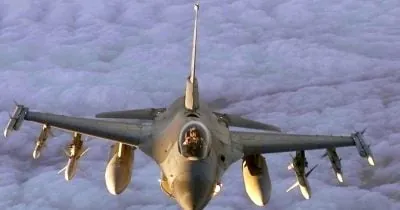
US air strikes in western Iran have expanded military operations in the region, raising concerns about potential airspace disruptions. Geopolitical escalation typically increases demand for non-sovereign assets like Bitcoin as investors seek alternative stores of value.
Written by CoinArticle’s AI Newsroom · from 1 cited source. How we work
Regional Escalation and Market Volatility
US military operations expanded into western Iran on Tuesday, marking a significant increase in regional military activity. The strikes heighten tensions in an already volatile region and raise the prospect of disrupted airspace access, which could affect logistics corridors and trade routes that move physical goods.
Historically, geopolitical escalations—particularly in oil-producing regions—correlate with periods of elevated market volatility and flight-to-safety behavior. Investors typically rotate toward assets perceived as non-sovereign stores of value during such periods, a dynamic that has historically benefited Bitcoin and other cryptocurrencies.
Crypto Market Positioning
Bitcoin traded near $93,000 on Tuesday morning, unchanged from the prior day's close. Ethereum moved 0.3% higher to $3,410. Both assets have shown resilience in recent weeks despite macro headwinds, though volume patterns suggest investor caution ahead of potential policy shifts and geopolitical developments.
The scale and duration of any regional conflict would determine whether crypto markets experience sustained inflows as a hedge or temporary volatility followed by a return to prior trading patterns. Oil prices and Treasury yields remain the more immediate transmission channels for geopolitical risk into crypto positioning.
Why It Matters
For Traders
Geopolitical escalation often triggers flight-to-safety rotations; watch for Bitcoin and stablecoin volume spikes if regional tensions widen.
For Investors
Macro uncertainty historically lifts non-sovereign asset valuations; the durability of that premium depends on conflict escalation and central bank response.
For Builders
Sustained geopolitical risk may increase demand for protocols emphasizing censorship resistance and non-custodial settlement, though the effect is indirect.
This article is for information only and is not financial advice. Read the full disclaimer.