US-Iran Negotiations Deadlock: Impacts on Geopolitics and Markets
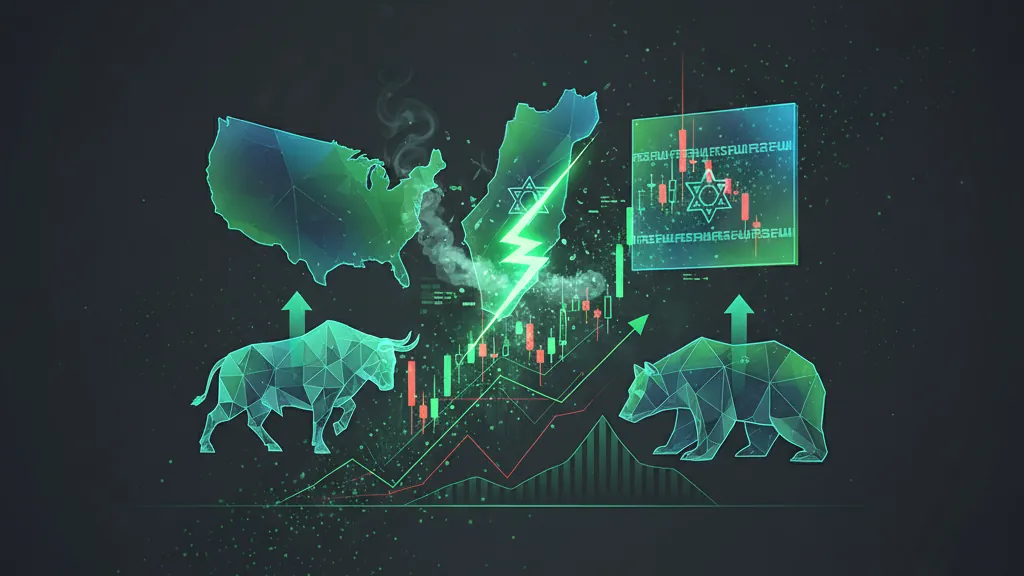
The US has informed Israel that negotiations with Iran have hit a deadlock, raising concerns over regional stability. As tensions escalate, analysts predict significant ramifications for global energy markets and investor sentiment.
Written by CoinArticle’s AI Newsroom · from 1 cited source. How we work
US Informs Israel of Deadlocked Iran Negotiations
In a critical development concerning Middle Eastern geopolitics, the United States has reportedly informed Israel that negotiations with Iran have reached an impasse. This revelation comes amidst escalating tensions in the region, casting doubts on the prospects for a peaceful resolution that many had hoped for. As the stalled talks continue, analysts are concentrating on how these developments may exacerbate geopolitical strains, particularly in relation to energy markets and global financial stability.
The ongoing negotiations aimed at reviving the nuclear deal between the US and Iran have faced numerous hurdles, resulting in diminished expectations for a potential ceasefire. Heightened hostilities and rhetoric from both sides have raised alarms about the risks of military escalation in the region. Analysts believe that this enduring situation could have broader repercussions beyond the immediate conflict, particularly impacting global markets and investor sentiment.
Geopolitical Implications
The current deadlock in US-Iran negotiations transcends mere regional ramifications; it possesses far-reaching implications that could reshape the global geopolitical landscape. As hopes for a ceasefire diminish, the probability of military engagement increases, heightening fears of further destabilization in a region already characterized by complex socio-political strife. Israel's rising concerns regarding Iran's nuclear ambitions add an additional layer of urgency to the matter, underscoring the need for diplomatic solutions—even as those solutions appear increasingly elusive.
Markets generally react to instability, particularly when it involves major oil exporters like Iran. With the specter of military conflict looming, we may witness volatility in oil prices along with fluctuations in commodities tied to energy supply chains. Economists and financial institutions are closely monitoring these developments, as prolonged unrest in this region could trigger broader economic consequences on a global scale.
Why It Matters
For Traders
Traders in commodities and foreign exchange markets should brace for increased volatility, as escalating tensions may lead to spikes in oil prices, significantly affecting the currency valuations of oil-importing and exporting nations.
For Investors
Investors may need to reevaluate their portfolios in light of heightened geopolitical risk, as industries reliant on stable energy prices may encounter disruptions, potentially prompting a strategic pivot towards safer assets during these uncertain times.
For Builders
For entrepreneurs and innovators, particularly those focused on technology or energy solutions, the current climate presents both challenges and opportunities. There could be a surge in demand for alternative energy solutions as companies and governments strive to reduce their dependency on oil during periods of instability.
As the situation develops, the implications of these deadlocked negotiations will resonate across various sectors, illuminating the complex interplay between global politics and economic realities.
This article is for information only and is not financial advice. Read the full disclaimer.