US and Japan's Regulatory Divide: A New Era for Cryptocurrency
As the US and Japan adopt divergent regulatory frameworks for cryptocurrencies, market participants face new challenges. This article explores the implications for Bitcoin and the global crypto landscape amidst growing regulatory uncertainty.
Written by CoinArticle’s AI Newsroom · from 1 cited source. How we work
Regulatory Divide Deepens as US and Japan Chart Opposite Crypto Courses
The global cryptocurrency market is navigating increasingly turbulent waters as two major economies adopt starkly contrasting approaches to digital asset regulation. Bitcoin, the world's largest cryptocurrency by market capitalization, has become particularly vulnerable to the uncertainties stemming from these divergent policy frameworks in the United States and Japan.
Conflicting Policy Frameworks
The regulatory landscape for cryptocurrencies has grown increasingly fragmented, with the US and Japan pursuing fundamentally different strategies toward digital asset oversight. This divergence has created a complex operating environment for market participants, who now face the challenge of reconciling competing regulatory expectations from two of the world's most influential financial centers.
The discord between these economic powerhouses extends beyond mere jurisdictional differences; it reflects deeper philosophical divisions regarding the role of cryptocurrencies in the modern financial system and the appropriate level of government intervention in digital asset markets.
Impact on Bitcoin and Market Stability
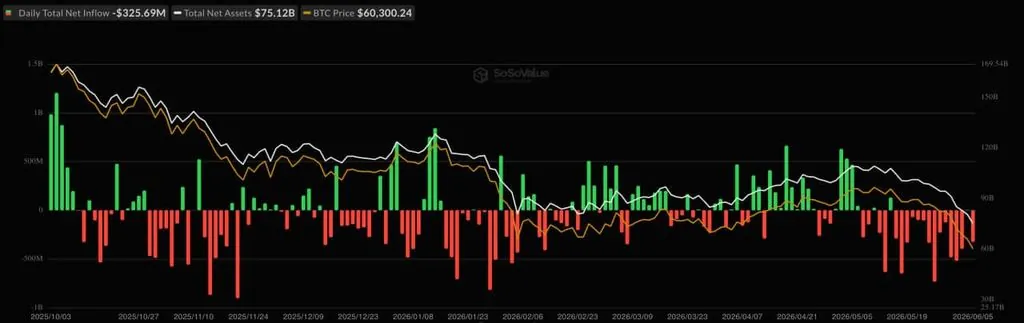
Bitcoin has emerged as a primary barometer for assessing the effects of this regulatory fragmentation. As investors and institutions navigate these conflicting frameworks, market uncertainty has intensified. The cryptocurrency's price action and trading volumes increasingly mirror the challenges arising from operating under jurisdictions with incompatible regulatory philosophies.
This uncertainty affects not only Bitcoin holders but also the broader ecosystem: cryptocurrency exchanges, institutional investors, and retail traders all rely on regulatory clarity to make informed decisions. The stakes are high, as regulatory actions can significantly impact market sentiment and trading dynamics.
Global Market Ramifications
The implications of the regulatory divergence between the United States and Japan extend beyond these two nations. Global cryptocurrency markets operate as interconnected systems, and conflicting policies from major economies create ripple effects throughout the entire digital asset ecosystem. International exchanges face compliance challenges, while multinational corporations exploring blockchain integration must navigate an increasingly complex regulatory landscape.
This fragmentation raises critical questions about the future of international coordination on cryptocurrency regulation and whether global standards can emerge amid such fundamental policy disagreements.
Looking Ahead
The ongoing regulatory divergence between the United States and Japan represents a crucial juncture for the cryptocurrency industry. Market participants are closely monitoring policy developments from both nations, fully aware that the resolution—or persistence—of these conflicting approaches will significantly shape the future trajectory of Bitcoin and the broader digital asset market. As the situation evolves, the imperative for greater regulatory clarity and international coordination becomes increasingly apparent.
Why It Matters
Traders
For traders, understanding the regulatory landscape is essential for navigating market volatility. Different regulations can lead to sudden shifts in price and trading volumes, affecting trading strategies.
Investors
Long-term investors should be cognizant of how regulatory clarity—or lack thereof—can impact the broader market and asset valuations. An uncertain regulatory environment may challenge the sustained growth of cryptocurrencies.
Builders
Developers and builders in the crypto space must stay informed of regulatory changes as these can significantly influence product development decisions and potential market opportunities. Understanding how to navigate various regulatory frameworks is vital for successful project execution.
This article is for information only and is not financial advice. Read the full disclaimer.