US Judge Approves Visa, Mastercard $38B Swipe Fee Settlement
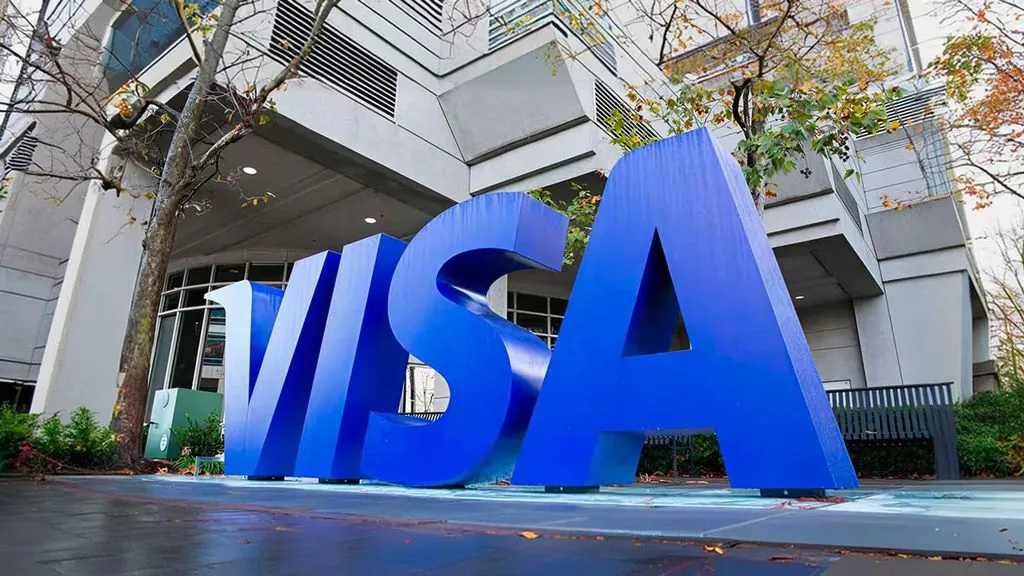
A US federal judge approved a $38 billion settlement between Visa, Mastercard, and merchants over swipe fees charged on credit and debit card transactions. The ruling may trigger further regulatory action on interchange fees across the financial system.
Written by CoinArticle’s AI Newsroom · from 1 cited source. How we work
Judge Approves Long-Contested Settlement
A federal judge signed off on the $38 billion settlement between Visa, Mastercard, and merchant plaintiffs over swipe fees, concluding years of litigation. The agreement addresses allegations that the card networks inflated interchange fees—the per-transaction charges merchants pay when customers use credit or debit cards.
Potential Regulatory Ripple Effects
The approval may open the door to renewed scrutiny of interchange practices and potential legislative reform. Consumer advocacy groups and merchant associations have long argued that swipe fees artificially inflate retail prices. Regulators and lawmakers may now feel emboldened to pursue tighter controls on how payment networks set their rates.
Implications for Payment Infrastructure
The settlement does not directly affect cryptocurrency or blockchain payments, but it underscores ongoing tension between payment processors and merchants over transaction costs. As stablecoin-based payment rails continue to mature, some builders cite traditional payment friction—including high interchange fees—as a key use case for on-chain settlement systems.
Why It Matters
For Traders
No direct impact on crypto markets or trading; traditional finance settlement moves do not immediately affect spot or derivative positions.
For Investors
Renewed focus on payment infrastructure inefficiency may strengthen the long-term narrative around blockchain-based alternatives to traditional payment rails.
For Builders
A regulatory push to cap or control interchange fees could accelerate merchant and fintech interest in stablecoin payment solutions as a lower-cost alternative.
This article is for information only and is not financial advice. Read the full disclaimer.