US Naval Blockade in Hormuz Strait Raises Oil Market Risk
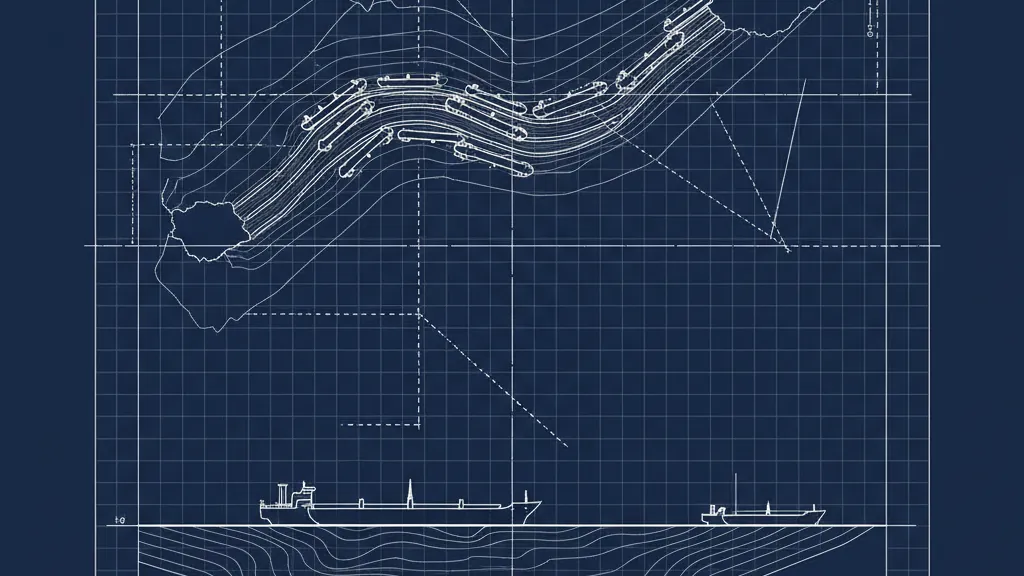
The USS George H.W. Bush redirected 52 vessels in the Hormuz Strait as part of US naval enforcement operations. The blockade poses risks to global oil markets and regional stability, potentially affecting energy prices across commodities and crypto-correlated assets.
Written by CoinArticle’s AI Newsroom · from 1 cited source. How we work
Naval Enforcement in the Strait
The USS George H.W. Bush carrier strike group redirected 52 vessels transiting the Hormuz Strait as the U.S. military enforced a naval blockade in the region. The specific trigger for the enforcement action and the nationalities of the redirected vessels were not disclosed in initial reports.
Market and Geopolitical Implications
The blockade enforcement could disrupt global oil flows through one of the world's most critical energy chokepoints, where roughly one-third of seaborne crude oil passes daily. Regional tensions from the operation may compound ongoing uncertainty in energy markets, with spillover effects on inflation expectations and macro asset correlations that influence cryptocurrency valuations.
Limited Crypto-Specific Detail
No direct connection to cryptocurrency markets, blockchain infrastructure, or digital assets was stated in the available reporting. However, sustained energy price volatility or geopolitical escalation tied to Hormuz transit restrictions historically correlates with broader risk-asset repricing, including crypto.
Why It Matters
For Traders
Oil price volatility from Hormuz disruption may increase correlation between crude futures and risk assets including BTC and ETH over the next 48-72 hours.
For Investors
Persistent energy supply uncertainty or geopolitical escalation can sustain macro headwinds on equities and crypto; monitor crude and USD strength as leading indicators.
For Builders
No direct infrastructure impact, though protocol teams exposed to energy-intensive operations should monitor electricity and fuel cost inputs if regional oil disruptions persist.
This article is for information only and is not financial advice. Read the full disclaimer.