US Senate Bill Could Propel XRP, Solana, and Dogecoin into Institutional Spotlight
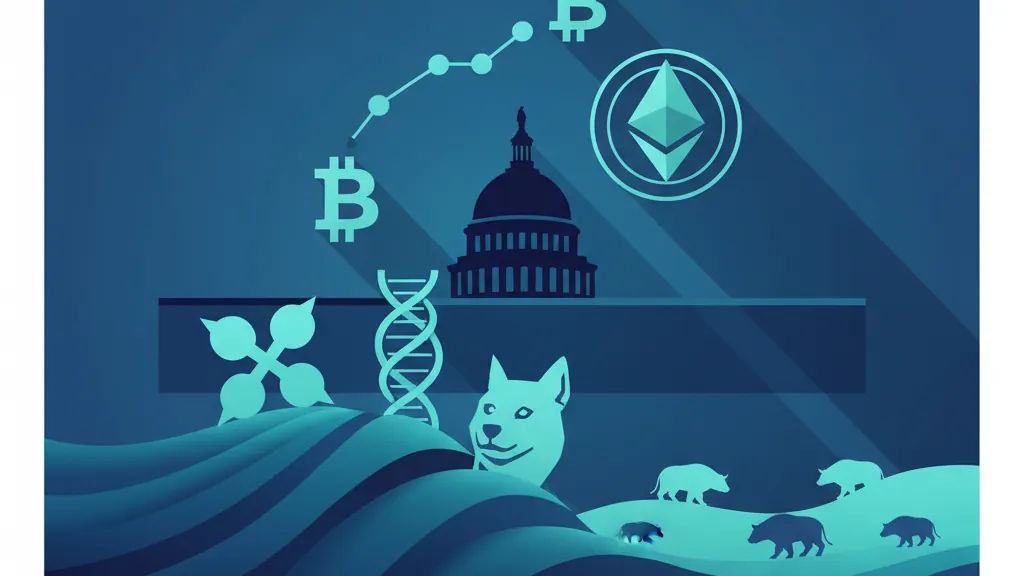
A groundbreaking U.S. Senate bill could redefine cryptocurrency regulations, leveling the playing field for XRP, Solana, and Dogecoin alongside Bitcoin and Ethereum. This legislation may catalyze increased institutional investment and broader acceptance of these digital assets.
Written by CoinArticle’s AI Newsroom · from 1 cited source. How we work
US Senate Bill Could Unlock Institutional Floodgates for XRP, Solana, and Dogecoin
A draft of a pivotal U.S. Senate bill has emerged, potentially reshaping the landscape of cryptocurrency regulation. This bill is noteworthy for its intent to place XRP, Solana, and Dogecoin on equal regulatory footing with established giants Bitcoin and Ethereum. If enacted, this legislation could significantly impact institutional investment in these assets, fostering broader acceptance and legitimization within the financial mainstream.
Currently, Bitcoin and Ethereum enjoy a clearer regulatory framework in the U.S., while assets like XRP, Solana, and Dogecoin have faced scrutiny and uncertainty. By bringing these cryptocurrencies into a similar regulatory environment, the proposed bill aims to create a more equitable playing field. This regulatory parity could eliminate some hurdles that have previously hindered institutional engagement with these crypto assets.
Why It Matters
For Traders
The proposed Senate bill promises to inject clear regulatory guidelines into the trading arena, potentially increasing volatility in the short term as traders adapt to new frameworks. However, for traders focused on long-term gains, having XRP, Solana, and Dogecoin recognized alongside Bitcoin and Ethereum could lead to increased liquidity and trading volumes. Improved regulatory clarity may also mitigate risks currently associated with trading lesser-known or regulated assets, attracting a new wave of traders eager to capitalize on these evolving markets.
For Investors
For investors, the bill signifies a strategic shift that could open the floodgates to institutional capital. Since institutional players typically require robust regulatory frameworks before committing substantial funds, the inclusion of XRP, Solana, and Dogecoin could facilitate new investment opportunities. If these assets gain meaningful institutional support, it may result in price appreciation and enhanced market stability. For investors looking to diversify their portfolios, these historically volatile assets might present new avenues for growth as confidence builds around their regulatory status.
For Builders
From the perspective of crypto developers and entrepreneurs, this proposed legislation could herald a new era of innovation. With clearer regulations, builders might feel more empowered to launch projects involving XRP, Solana, and Dogecoin, fostering ecosystem growth. Moreover, the institutional validation that could accompany such legislation may lead to collaborations and partnerships that drive technological advancements and user adoption across various sectors.
In conclusion, the U.S. Senate's draft bill represents a crucial step toward a more structured and equitable regulatory framework for cryptocurrencies. As XRP, Solana, and Dogecoin position themselves for institutional investment, stakeholders across the crypto space should closely monitor the progress of this legislation and its potential ramifications.
This article is for information only and is not financial advice. Read the full disclaimer.