U.S. Senate Confirms Pro-Crypto Leaders at CFTC and FDIC
The U.S. Senate has confirmed pro-crypto leaders at the CFTC and FDIC, suggesting a shift towards a more favorable regulatory environment for digital assets. This marks a pivotal moment for the cryptocurrency industry in the U.S.
Written by CoinArticle’s AI Newsroom · from 1 cited source. How we work
Key Takeaways
- 1More clarity in regulatory frameworks for digital assets
- 2Improved pathways for banks to offer cryptocurrency-related services
- 3Enhanced dialogue between regulators and the crypto industry
- 4Streamlined approval processes for crypto-adjacent financial products
Senate Confirms Pro-Crypto Leadership for Major Financial Regulators
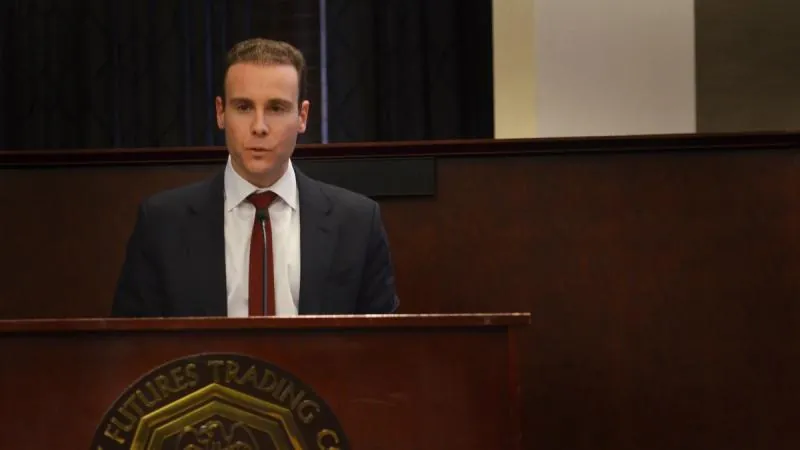
The United States Senate has confirmed two regulators with openly supportive views on cryptocurrency to lead the Commodity Futures Trading Commission (CFTC) and the Federal Deposit Insurance Corporation (FDIC). This development marks a notable shift in the regulatory landscape for digital assets in the United States.
Leadership Changes at Key Agencies
The confirmations position pro-crypto advocates at the helm of two critical financial regulatory bodies. The CFTC oversees derivatives markets and has played an increasingly vital role in cryptocurrency regulation, particularly concerning digital asset commodities and futures. Conversely, the FDIC insures bank deposits and supervises financial institutions, making its stance on crypto-banking relationships crucial for industry growth.
Historically, both agencies have taken cautious approaches to cryptocurrency's integration within traditional finance. However, the appointment of leaders who publicly support digital asset innovation suggests a potential recalibration of regulatory priorities.
Implications for Crypto Regulation
This Senate action signals a possible departure from the restrictive regulatory environment that has characterized much of the past several years. The presence of crypto-friendly leadership at these agencies may facilitate:
- More clarity in regulatory frameworks for digital assets
- Improved pathways for banks to offer cryptocurrency-related services
- Enhanced dialogue between regulators and the crypto industry
- Streamlined approval processes for crypto-adjacent financial products
The CFTC's expanded authority over crypto markets, combined with supportive leadership, may accelerate the development of compliant trading platforms and derivative offerings. Similarly, FDIC leadership attuned to digital assets could reduce friction for banks seeking to custody cryptocurrencies or serve crypto businesses.
A Shifting Regulatory Paradigm
These confirmations reflect broader momentum toward constructive engagement with the cryptocurrency sector at the federal level. Rather than viewing digital assets solely through a risk-management lens, this leadership transition implies that regulators may increasingly balance innovation concerns with consumer protection.
Nonetheless, both agencies will continue to operate within their statutory mandates, and any policy changes will require careful navigation of existing legal frameworks. The confirmed leaders will need to collaborate with other regulatory bodies, including the Securities and Exchange Commission, to ensure coordinated oversight of the evolving digital asset ecosystem.
The Senate's confirmations represent a significant milestone in the cryptocurrency industry's relationship with U.S. financial regulators, potentially opening new channels for collaboration and regulatory development.
Why It Matters
For Traders:
The confirmation of pro-crypto leaders at the CFTC and FDIC could lead to a more predictable regulatory landscape, paving the way for better trading practices and new products, enhancing trading strategies.
For Investors:
A more favorable regulatory climate may provide confidence in the long-term viability of cryptocurrency investments, potentially attracting a broader range of institutional and retail investors into the market.
For Builders:
Developers and builders in the crypto space may find new opportunities for innovation, as clearer regulations could enable the creation of compliant products and services that cater to the growing demand in the digital asset ecosystem.
This article is for information only and is not financial advice. Read the full disclaimer.