US Military Strikes in Strait of Hormuz Fuel Oil Price Volatility and Crypto Uncertainty
The U.S. military conducted defensive strikes against Iranian missile sites and vessels in the Strait of Hormuz, escalating regional tensions. Oil prices spiked on supply concerns, triggering volatility across risk assets including cryptocurrencies.
Written by CoinArticle’s AI Newsroom · from 1 cited source. How we work
Geopolitical Escalation in the Strait
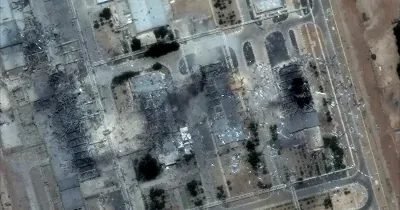
The U.S. Central Command reported that American forces conducted defensive strikes targeting Iranian missile sites and vessels operating in the Strait of Hormuz. The action marks a direct military response to perceived Iranian threats in one of the world's most critical chokepoints for global energy transit. Roughly 21% of all seaborne petroleum flows through the strait, making any disruption a material concern for energy markets.
Oil Markets React, Crypto Follows
Crude oil prices moved sharply higher following the strikes, with Brent and WTI both trading above their prior session closes. Geopolitical risk premiums typically compress asset correlations, pushing traders toward safe-haven positions and away from volatile, risk-on assets like bitcoin and smaller altcoins. Broader risk sentiment deteriorated as investors weighed the potential for further escalation and its effect on global supply chains.
Macro Backdrop for Crypto Markets
Heightened geopolitical uncertainty often pressures cryptocurrencies in the near term, as flight-to-safety demand typically favors government bonds and commodities over speculative assets. However, the longer-term effect depends on whether tensions persist or resolve; extended conflict could eventually push central banks toward accommodative policy, which historically supports digital assets.
Why It Matters
For Traders
Oil-linked volatility may persist for 24-48 hours; risk-off flow typically pressures Bitcoin and altcoin liquidity on spot and futures exchanges.
For Investors
Geopolitical events create correlation spikes that compress diversification benefits; sustained regional conflict could reshape energy policy and central bank policy over months.
For Builders
Protocol teams reliant on stable macroeconomic conditions for user acquisition may see traffic shifts; oracle and stablecoin services face increased stress testing from volatile underlying assets.
This article is for information only and is not financial advice. Read the full disclaimer.