US Treasury Proposes Centralized AML Oversight: A New Era for Compliance
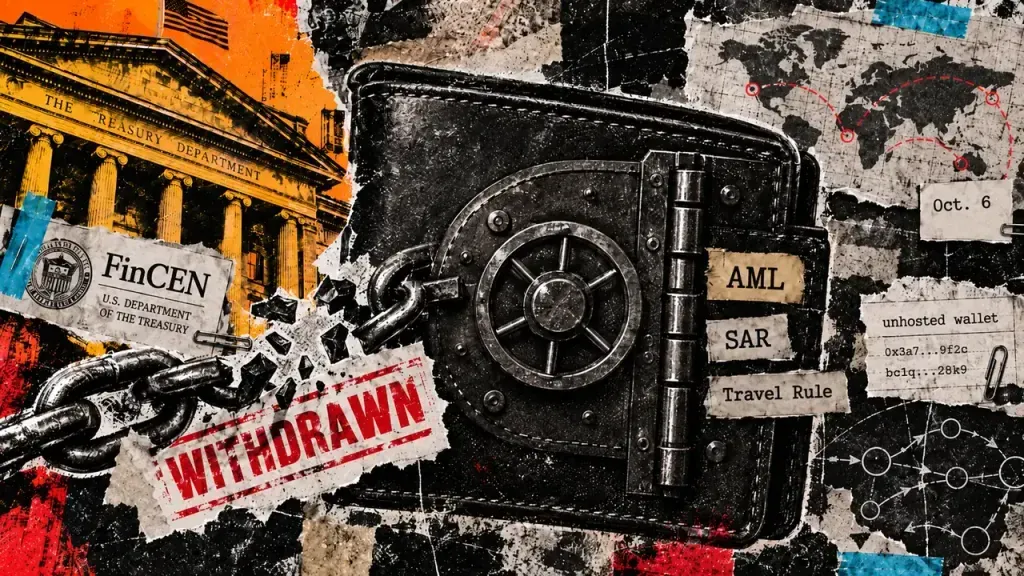
The US Treasury's latest proposal aims to centralize Anti-Money Laundering (AML) enforcement under FinCEN, a move set to streamline compliance across the banking sector and impact global financial practices.
Written by CoinArticle’s AI Newsroom · from 1 cited source. How we work
Treasury Proposes Centralized Approach to AML Enforcement
The US Treasury Department has unveiled a groundbreaking proposal designed to fundamentally reshape the landscape of Anti-Money Laundering (AML) oversight in the American banking sector. This initiative stands as one of the most significant regulatory reforms in recent financial compliance history, aiming to enhance efficacy in preventing financial crimes.
Centralizing AML Authority Under FinCEN
Under the proposed framework, the Financial Crimes Enforcement Network (FinCEN) is poised to take on centralized responsibility for AML oversight activities that are currently dispersed among various federal agencies. This consolidation represents a strategic pivot in America's approach to combating financial crime.
The Treasury Department's proposal seeks to streamline oversight mechanisms that have traditionally been fragmented. By concentrating these powers within FinCEN, regulators aim to foster a unified and coordinated response to the increasing threat of money laundering, enhancing the overall integrity of the financial system.
Enhanced Efficiency in Financial Crime Combat
The primary goal of this restructuring is to boost both the efficiency and effectiveness of AML enforcement. A centralized oversight model is projected to minimize redundancies, expediting information sharing across agencies while facilitating more consistent application of AML standards throughout financial institutions.
This unified approach could lead to quicker identification of suspicious activities and more immediate allocation of enforcement resources where they are most needed. Moreover, it may alleviate compliance burdens for banks by establishing a singular regulatory touchpoint for AML-related issues.
Global Banking Implications
The proposed reforms are significant not just for the United States but also for the global banking community, as American regulations often set benchmarks for international standards. Global financial institutions operating within the US will need to revise their compliance frameworks to align with the new centralized oversight structure.
International banks with US operations may encounter necessary adaptations in their reporting procedures and compliance protocols as FinCEN expands its role. Furthermore, these reforms could prompt other jurisdictions to reassess their own AML oversight frameworks, potentially leading to global regulatory harmonization.
Conclusion
The Treasury Department's proposal marks a decisive step towards modernizing America's financial crime prevention infrastructure. As the proposal progresses through the regulatory process, financial institutions and compliance professionals will be closely observing the implementation details that will shape the new era of AML oversight. The success of this centralization effort could serve as a benchmark for regulatory reform in other areas of financial supervision.
Why It Matters
For Traders
For traders, a centralized AML framework means more uniform compliance requirements across banks, which could streamline trading operations and reduce anxiety regarding sudden regulatory changes.
For Investors
Long-term investors should note that enhanced AML controls could lead to a more stable financial environment, potentially reducing risks associated with financial crime and thus supporting sustainable investment strategies.
For Builders
Developers and builders in the financial tech space may find new opportunities in creating solutions that facilitate compliance with the new centralized AML regulations, spurring innovation in the sector.
This article is for information only and is not financial advice. Read the full disclaimer.