US Treasury Sanctions Sinaloa Cartel-Linked Cash-to-Crypto Network
The US Treasury's Office of Foreign Assets Control (OFAC) imposed sanctions on a cash-to-crypto conversion network allegedly used by the Sinaloa Cartel to move illicit proceeds. The action signals intensifying regulatory oversight of on-ramp services and may prompt stricter compliance requirements across the sector.
Written by CoinArticle’s AI Newsroom · from 1 cited source. How we work
Sanctions Action
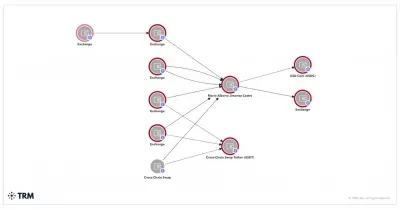
The US Treasury's OFAC added a cash-to-crypto network to its Specially Designated Nationals list, targeting infrastructure used by the Sinaloa Cartel to convert fiat currency into digital assets. The designation, part of ongoing enforcement efforts against narcotics trafficking organizations, blocks US persons and entities from transacting with the network and requires US financial institutions to freeze any related assets.
Regulatory Context
The action reflects a broader pattern of Treasury enforcement against money laundering and sanctions evasion conducted through cryptocurrency channels. OFAC has previously designated individual crypto wallet addresses and exchanges implicated in cartel activity, but targeting entire cash-to-crypto conversion networks represents an expansion of that approach. Compliance officers at crypto exchanges and on-ramp providers now face heightened pressure to implement enhanced due diligence on high-volume cash transactions and to monitor for indicators of illicit fund flows.
Sector Implications
The crackdown is likely to accelerate compliance costs for legitimate on-ramp and off-ramp operators, particularly those serving high-transaction-volume customers or high-risk jurisdictions. Exchanges may tighten deposit limits, increase identity verification requirements, or reduce services in regions historically associated with cash smuggling. The move also underscores the difficulty of distinguishing between legitimate cash-to-crypto conversion (used by unbanked populations and remittance payers) and channels exploited by criminal organizations.
Why It Matters
For Traders
Exchanges and on-ramp services may implement tighter withdrawal and deposit limits or additional KYC friction, potentially affecting liquidity and execution speed for retail traders.
For Investors
Regulatory enforcement against cash-to-crypto infrastructure raises compliance costs for exchange operators and may pressure margins, particularly for smaller regional players without sophisticated AML systems.
For Builders
DeFi and non-custodial bridge builders should expect increased scrutiny of on-ramp integrations; platforms connecting fiat rails to protocols may face heightened regulatory risk if they serve high-volume cash flows.
This article is for information only and is not financial advice. Read the full disclaimer.