Address Poisoning Attack Costs Trader $50M USDT, Calls for Security Action
A shocking $50 million theft of USDT due to address poisoning has ignited a call for enhanced security measures in the cryptocurrency industry, with Binance's CEO urging wallet providers to block known fraudulent addresses.
Written by CoinArticle’s AI Newsroom · from 1 cited source. How we work
Major USDT Theft Prompts Call for Industry-Wide Security Changes
A devastating $50 million loss of USDT has reignited concerns regarding address poisoning scams within the cryptocurrency sector. This incident has prompted Binance CEO Changpeng Zhao to advocate for immediate security enhancements among wallet providers.
The Incident
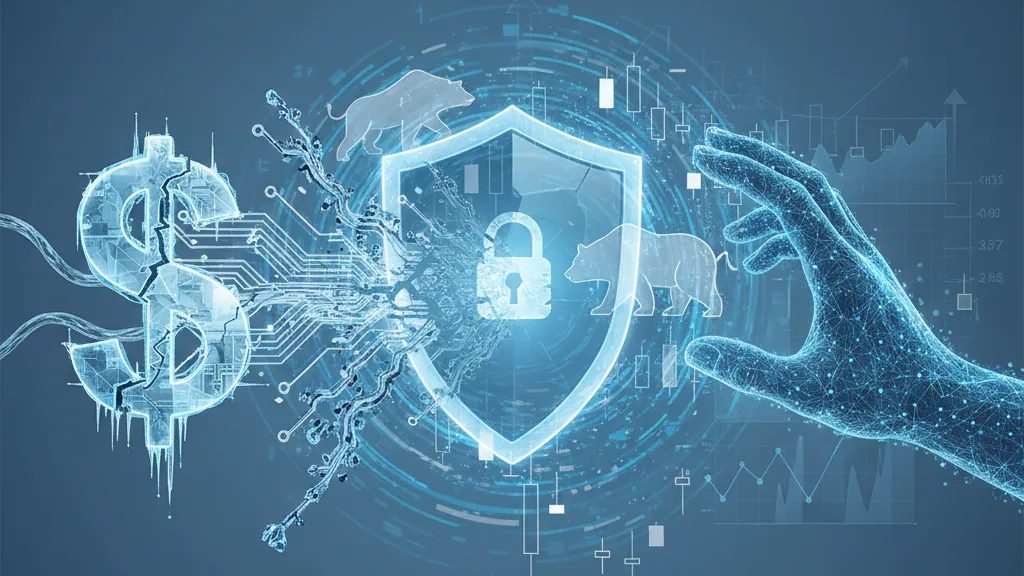
In a recent incident, a crypto trader fell victim to an address poisoning attack, resulting in the substantial loss of $50 million in Tether (USDT). Address poisoning is a sophisticated scam technique employed by malicious actors, wherein they send small amounts of cryptocurrency from addresses that closely mimic legitimate ones stored in a user's transaction history. When victims later seek to transfer funds and accidentally copy an ostensibly trusted address, they may unwittingly send their cryptocurrency to the scammer instead.
CZ's Response and Proposed Solution
In light of this alarming occurrence, Changpeng Zhao, CEO of Binance, took to social media to advocate for a proactive approach to combat this emerging form of fraud. CZ is urging cryptocurrency wallet providers to implement a system for default blocking of known poisoned addresses—those fraudulent addresses frequently used in such scams.
He expressed strong confidence that address poisoning scams could be "completely eradicated" if wallet providers adopt this security measure as a standard feature rather than leaving it as an option for users to toggle.
Industry Implications
The incident underscores the persistent security challenges faced by cryptocurrency users, highlighting that while blockchain technology itself remains robust, vulnerabilities at the user interface level pose real risks. CZ's call to action marks a significant shift towards implementing proactive security measures within the realm of crypto wallets. By instituting automatic blocking of poisoning addresses, wallet providers can introduce an essential layer of protection that alleviates the burden solely placed on users.
This proposal sparks important discussion around the delicate balance between the fundamental principles of decentralization and the need for user safety. Implementing default blocklists would necessitate wallet providers to maintain and regularly update lists of malicious addresses, introducing a centralized aspect to security that could ultimately enhance user protection but may also require industry-wide collaboration.
Conclusion
The staggering $50 million loss serves as a poignant reminder that cryptocurrency security encompasses more than merely safeguarding private keys. As address poisoning scams evolve in sophistication, the industry is under increasing pressure to enforce systematic safeguards. While the adoption of CZ's recommendations by wallet providers remains uncertain, it's evident that this incident has significantly elevated the discourse surrounding proactive security measures within the crypto ecosystem.
Why It Matters
For Traders
For traders, understanding the risks associated with address poisoning scams is crucial. Enhanced wallet security measures can protect assets from loss due to these sophisticated fraud tactics.
For Investors
Long-term investors should be aware of these vulnerabilities as they can significantly impact asset value and market trust. Secure wallet solutions are essential for the ongoing health of the cryptocurrency market.
For Builders
Developers and builders in the crypto space should note the importance of integrating robust security protocols in wallet designs. This will ensure user safety while maintaining the ethos of decentralization.
This article is for information only and is not financial advice. Read the full disclaimer.