USX Stablecoin's Quick Recovery Highlights Protocol Resilience
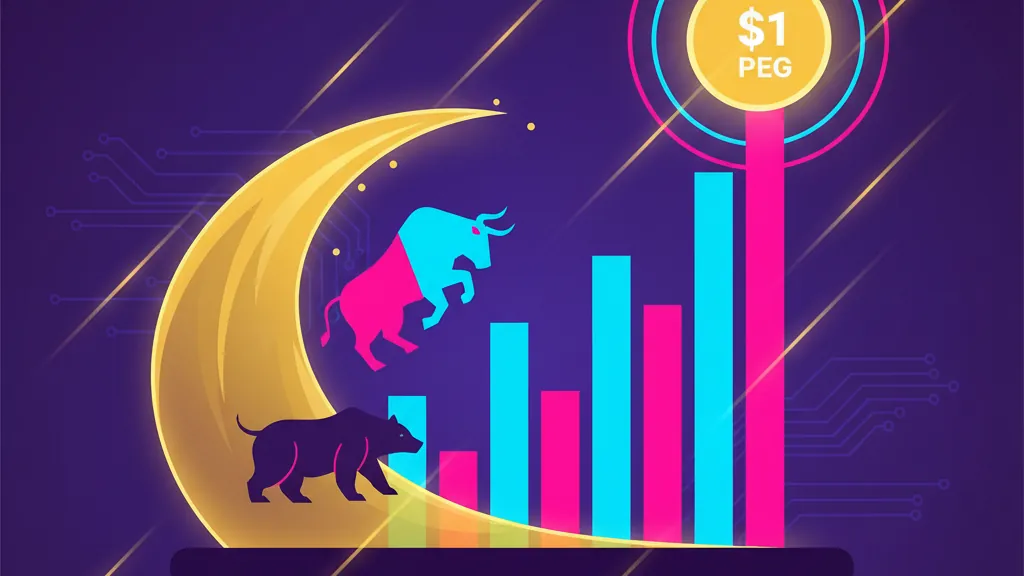
The USX stablecoin briefly lost its $1 peg on decentralized exchanges in late 2025 due to concentrated selling pressure but swiftly regained parity. This incident showcases the effectiveness of USX's stabilization mechanisms and its strength as a decentralized asset.
Written by CoinArticle’s AI Newsroom · from 1 cited source. How we work
Key Takeaways
- 1**Protocol Robustness**: USX’s stabilization mechanisms functioned effectively under market stress.
- 2**Market Confidence**: Traders and arbitrageurs acted swiftly to restore equilibrium, suggesting trust in the protocol.
- 3**Liquidity Considerations**: The event highlights the critical need for adequate liquidity across trading venues.
Swift Recovery Demonstrates Protocol Strength
In late 2025, the USX stablecoin momentarily lost its peg to the U.S. dollar on decentralized exchanges, only to quickly restore its 1:1 ratio. This rapid recovery has been seen by market observers as a compelling test of the protocol's underlying mechanisms and resilience.
Details of the Depeg Event
The USX stablecoin faced unexpected price volatility on decentralized exchanges as a result of significant sell orders executed by traders. This selling pressure briefly pushed USX below its intended dollar parity, demonstrating the unique challenges of DEX platforms. Unlike centralized exchanges, which generally have deeper order books and liquidity pools, DEXs are more susceptible to price slippage under concentrated trading activity.
During this brief period, USX traded below $1.00, marking a departure from the stability that defines its core value proposition as a stablecoin.
Rapid Stabilization Process
What set this event apart was the remarkable speed of recovery. USX not only regained its peg shortly after the initial depeg but did so with minimal market disruption. This swift return to parity indicates that the protocol's stabilization mechanisms engaged effectively, showcasing the dynamic interplay between arbitrageurs and the underlying design of USX.
Such quick recoveries contrast sharply with the more prolonged depegging incidents affecting other stablecoins, some of which experienced permanent loss of peg or necessitated extensive intervention measures.
Market Implications
The incident stands as a real-world stress test for the resilience of USX's infrastructure. Successfully navigating selling pressures and recovering autonomously reveals several positive indicators:
- Protocol Robustness: USX’s stabilization mechanisms functioned effectively under market stress.
- Market Confidence: Traders and arbitrageurs acted swiftly to restore equilibrium, suggesting trust in the protocol.
- Liquidity Considerations: The event highlights the critical need for adequate liquidity across trading venues.
However, this depeg episode also highlights ongoing challenges faced by algorithmic and decentralized stablecoins, particularly regarding liquidity depth on DEX platforms where large orders can disproportionately affect prices.
Conclusion
The brief depeg of USX and its subsequent recovery in late 2025 illustrate both the vulnerabilities and strengths inherent in decentralized stablecoin systems. While the selling pressure on DEX platforms momentarily disrupted the peg, the rapid restoration signifies a resilient underlying protocol. This event is poised to inform ongoing discussions about stablecoin design, liquidity management, and the importance of robust stabilization mechanisms in sustaining market confidence.
Why It Matters
For Traders
The swift recovery of USX suggests a reliable trading environment, indicating that the underlying mechanisms can effectively manage sudden shifts in market dynamics.
For Investors
Long-term investors can take heart in the stability demonstrated by USX, reinforcing confidence in its ability to maintain dollar parity amidst market stress.
For Builders
Developers and builders can draw insights from this event on improving liquidity management strategies and designing more resilient decentralized stablecoin systems.
This article is for information only and is not financial advice. Read the full disclaimer.