Venezuela Turns to USDT Amid Evolving Crypto Landscape in Latin America
Venezuela's shift to USDT for oil payments highlights the growing reliance on cryptocurrencies as traditional banking faces increasing challenges. Meanwhile, JPMorgan's freezing of stablecoin startup accounts exposes the ongoing tension in Latin America's financial ecosystem.
Written by CoinArticle’s AI Newsroom · from 1 cited source. How we work
Venezuela Turns to USDT for Oil Transactions
Latin America's cryptocurrency landscape is evolving rapidly as traditional financial institutions and governments grapple with the increasing influence of digital assets in the region. Two significant developments have emerged that underscore the complex relationship between conventional banking and the cryptocurrency ecosystem.
Venezuela's Oil Economy Embraces Tether
Venezuela has increasingly turned to USDT (Tether) for handling payments within its oil industry, marking a substantial shift in how this sanctions-hit nation engages in international trade. This pivot towards stablecoin-based transactions serves as a pragmatic solution for a country facing stringent restrictions from traditional banking channels.
The surge in USDT usage exemplifies the expanding role of cryptocurrencies in facilitating international commerce, particularly for nations that find themselves on the fringes of conventional financial systems. The stability of USDT, pegged to the US dollar, offers a reliable value reference point while harnessing the borderless transfer capabilities provided by blockchain technology.
JPMorgan Freezes Accounts of Stablecoin Startups
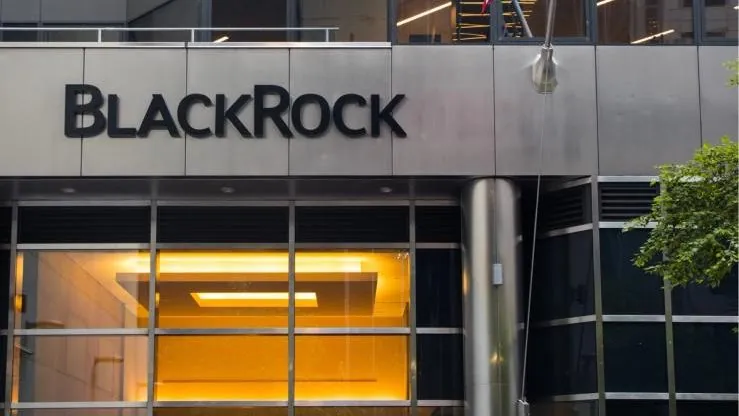
In a contrasting development, JPMorgan has frozen accounts belonging to several stablecoin startups operating in Latin America. This move impacts companies striving to expand stablecoin adoption and services throughout the region.
While specific reasons for the account freezes remain unclear, this action reflects the ongoing friction between traditional financial institutions and the burgeoning cryptocurrency sector. Banks have historically raised concerns regarding compliance, regulatory uncertainty, and the potential risks associated with digital asset operations, leading to increased scrutiny of crypto-related businesses.
Implications for Latin American Crypto Adoption
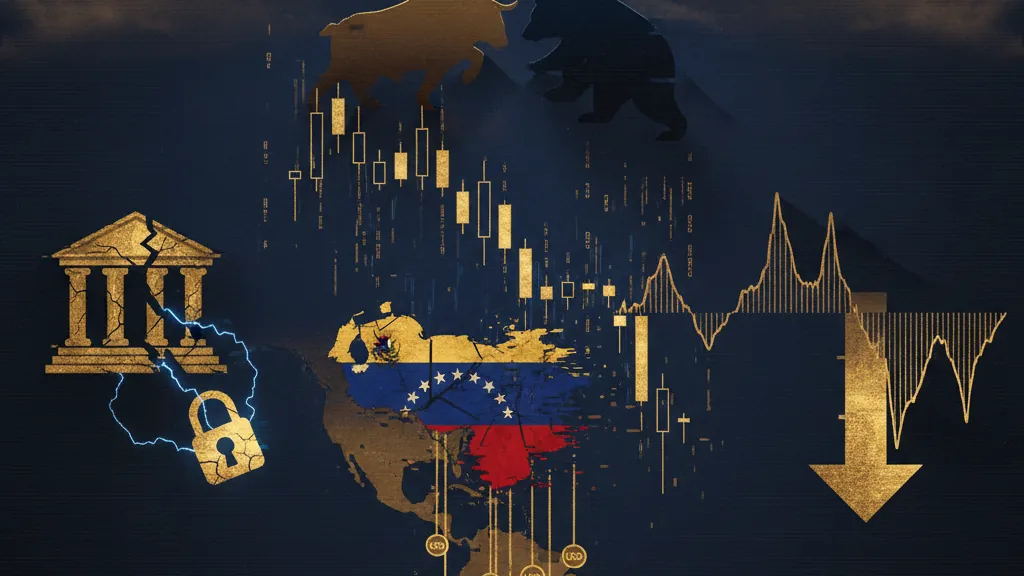
These parallel developments vividly illustrate the dual nature of cryptocurrency adoption in Latin America. On one side, digital assets offer pivotal financial infrastructure alternatives for countries and individuals excluded from traditional systems. Conversely, established banking institutions continue to tread cautiously, sometimes erecting barriers for crypto-focused businesses eager to operate within regulated frameworks.
This scenario highlights the regulatory challenges facing Latin America's cryptocurrency sector. As both governments and private enterprises increasingly adopt digital assets, the region must find a way to balance innovation, financial inclusion, and regulatory compliance effectively.
Conclusion
Latin America continues to act as a vital testing ground for cryptocurrency adoption at both governmental and commercial levels. Venezuela's strategic use of USDT in oil transactions juxtaposed with JPMorgan's restrictive measures against stablecoin startups illustrates the ongoing tension between emerging financial technologies and established banking systems. The evolution of these dynamics will likely serve as a bellwether for cryptocurrency adoption patterns across emerging markets globally.
Why It Matters
For Traders
With Venezuela's pivot to USDT for oil-related transactions, there may be increased volatility and trading opportunities for USDT and similar stablecoins in Latin American markets. Traders should monitor these developments closely to capitalize on market movements.
For Investors
Long-term investors should take note of how Venezuela's suitability for stablecoins could pave the way for more significant adoption of cryptocurrencies in global transactions, influencing market trends and investment strategies.
For Builders
Developers and builders in the crypto space should consider the implications of regulatory challenges highlighted by JPMorgan's account freezes, as navigating compliance will be crucial for advancing stablecoin-based solutions in Latin America.
This article is for information only and is not financial advice. Read the full disclaimer.