Vietnam Ministry of Finance Proposes Digital Assets as Loan Collateral for SMEs
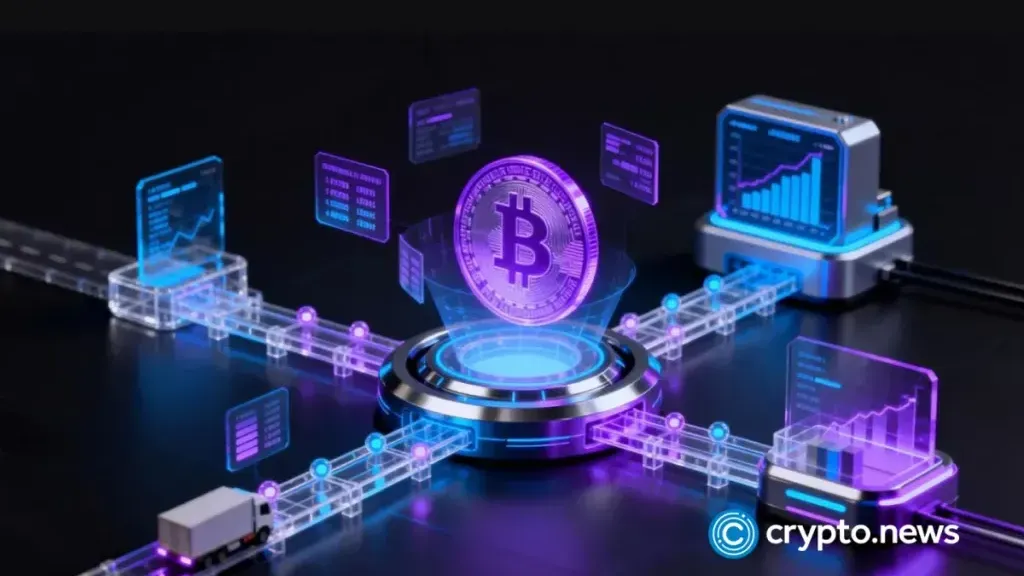
Vietnam's Ministry of Finance has proposed allowing small and medium-sized enterprises to use digital and virtual assets as collateral for bank loans. The measure aims to expand credit access for startups and smaller firms facing traditional financing constraints.
Written by CoinArticle’s AI Newsroom · from 1 cited source. How we work
Proposal Details
Vietnam's Ministry of Finance proposed a framework that would permit SMEs to pledge digital and virtual assets—including cryptocurrencies and tokenized holdings—as collateral to secure bank loans. The proposal targets enterprises and startups that have historically faced difficulty accessing credit through conventional channels, according to the ministry's stated rationale.
Intended Impact
The measure is designed to unlock capital for small and medium-sized enterprises by allowing them to leverage existing digital holdings rather than rely solely on physical assets or real estate as loan security. By broadening the pool of acceptable collateral, the proposal could lower barriers to financing for earlier-stage firms and those without substantial fixed assets.
Regulatory Context
The move signals Vietnam's growing interest in integrating digital assets into its mainstream financial infrastructure, though implementation details—including valuation methods, haircut rates, and custody standards for held collateral—have not been detailed in the preliminary proposal. The proposal remains subject to further review and refinement before potential adoption.
Why It Matters
For Traders
Approval would signal institutional legitimacy for digital assets in Vietnam but carries execution risk; implementation timelines and technical standards remain unclear.
For Investors
Regulatory acceptance of crypto as collateral deepens asset class legitimacy in Southeast Asia and may encourage institutional adoption in a major regional economy.
For Builders
Loan-collateral infrastructure would require oracle solutions, custody standards, and liquidation mechanics—creating product opportunities for fintech platforms and DeFi bridges.
This article is for information only and is not financial advice. Read the full disclaimer.