Whale Sell-Off Sends Aave Token Plummeting Nearly 10%: What Happened?
Aave's native token faced a sharp decline of nearly 10% following a significant sell-off by a major holder. The incident highlights the volatility and impact of whale transactions within the cryptocurrency market.
Written by CoinArticle’s AI Newsroom · from 1 cited source. How we work
Whale Dumping Triggers Sharp Decline in Aave Token
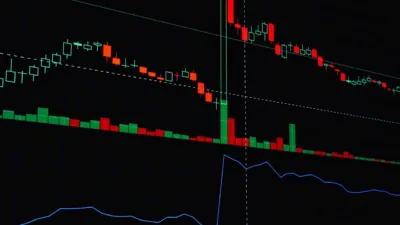
Aave, one of the leading decentralized finance (DeFi) lending protocols, experienced a steep decline in its native token, which plummeted nearly 10% on December 22. This downturn followed a substantial sell-off by a major token holder, causing the cryptocurrency's price to drop to approximately $161.70 after a whale offloaded $37.6 million worth of AAVE tokens in a single transaction.
Details of the Sell-Off
The drastic price movement stemmed from a concentrated block sale by a whale, who executed the sale of AAVE tokens valued at $37.6 million. Such significant selling pressure from a single entity can create immediate downward momentum in the token’s price, further amplifying market volatility.
This sell-off serves as a reminder of the profound impact that large holders wield in the cryptocurrency ecosystem, especially when executing substantial trades in compressed timeframes. A nearly 10% decline in one day represents a noteworthy price movement for Aave's native token, illustrating the sensitivity of these markets.
Market Impact
The sharp decline in Aave's token value pushed it down to approximately $161.70, marking a substantial intraday loss for investors. Rapid price movements of this nature usually result from initial large sell-offs followed by waves of selling from other market participants reacting to the downward trend.
Transactions of this magnitude often trigger stop-loss orders and prompt additional reassessment of positions among investors. In the cryptocurrency landscape, where holdings are often concentrated, even a single large player can dramatically influence short-term price action.
Implications for Aave Protocol
While the decline is significant, it’s crucial to separate token price fluctuations from the underlying fundamentals of the Aave protocol. Aave continues to rank among the largest DeFi lending platforms based on total value locked, maintaining robust protocols that function independently of market price concerns.
Conclusion
The December 22 sell-off spotlights the inherent volatility present in cryptocurrency markets and underscores the considerable influence large token holders can have on price discovery. As Aave's token settled at around $161.70 post-whale transaction, market participants are left to monitor potential repercussions, including the activities of other significant holders and whether the protocol's foundational strengths can sustain support at current price levels.
Why It Matters
For Traders
Traders should remain vigilant in times of high volatility, as large sell-offs can lead to swift price changes, creating opportunities for both short and long positions.
For Investors
Long-term investors should consider the distinction between short-term price movements and the Aave protocol's fundamental viability, which remains strong despite current market fluctuations.
For Builders
Developers and builders in the DeFi space should take note of how whale behavior affects market dynamics, harnessing this understanding to create robust mechanisms that mitigate risks from such concentrated activities.
This article is for information only and is not financial advice. Read the full disclaimer.