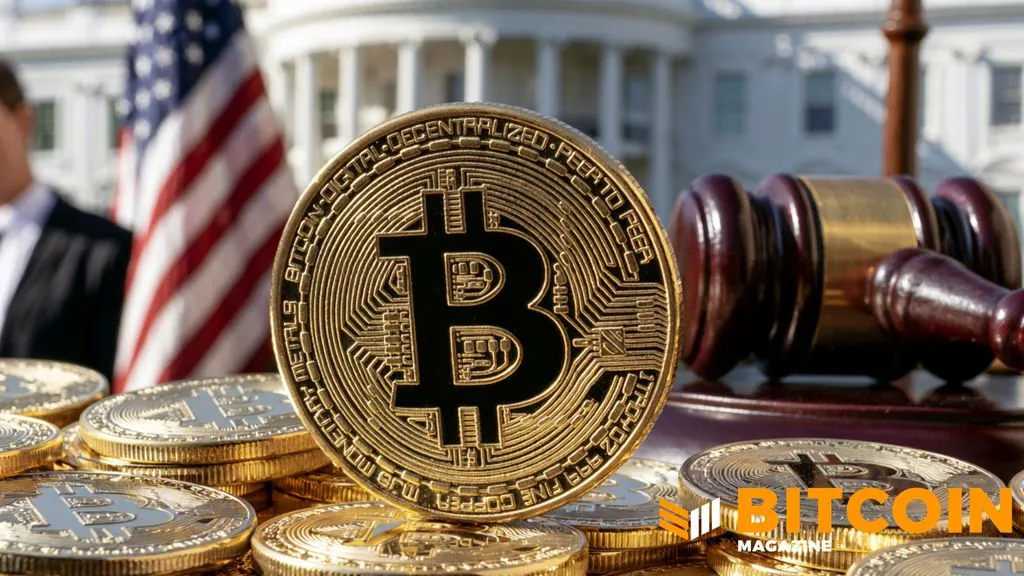
White House Explores Limited Stablecoin Rewards to Boost Crypto Adoption
The White House is exploring the implementation of limited stablecoin rewards to enhance cryptocurrency regulation and adoption. This initiative aims to create a structured framework for stablecoin utilization while fostering innovation in the crypto space.
Written by CoinArticle’s AI Newsroom · from 1 cited source. How we work
White House Considers Limited Stablecoin Rewards
In a notable development in the world of cryptocurrency, the White House is currently deliberating on the potential implementation of limited stablecoin rewards. This discussion emerged during the recent third crypto and bank meeting, where various stakeholders outlined the possible implications of such measures.
Discussion Overview
The meeting was led by White House crypto adviser Patrick Witt, who refocused the talks towards the evolving landscape of cryptocurrency regulation and innovation. Central to these discussions was a proposed crypto bill aimed at allowing the introduction of stablecoin rewards that would be directly linked to transactional activity. This move aligns with the current governmental interest in regulating the cryptocurrency market while fostering growth and innovation.
Stablecoins, known for their price stability compared to cryptocurrencies like Bitcoin, have been experiencing significant traction among investors and everyday users alike. By potentially introducing rewards, the White House could encourage greater usage and acceptance of stablecoins, enhancing overall market liquidity.
Regulatory Context
The proposed crypto bill is seen as a significant step towards addressing the regulatory gray area surrounding the use of stablecoins in financial transactions. As more businesses and consumers start to adopt digital currencies, the necessity for clear regulatory frameworks has become increasingly evident. The introduction of limited stablecoin rewards could provide a structured incentive for both businesses and consumers, promoting broader adoption while ensuring that transactions remain secure and compliant.
The meeting also highlighted the importance of collaboration between the cryptocurrency industry and regulatory bodies, as a unified approach will be crucial in shaping the future of digital finance. This collaboration is well-timed, given the rapid evolution of cryptocurrencies and their integration into mainstream financial systems.
Why It Matters
For Traders
For traders in the crypto market, the potential introduction of limited stablecoin rewards could signal increased volatility and trading activity. Such rewards may incentivize users to engage more actively with platforms that offer these features, thereby increasing demand for stablecoins and possibly affecting their prices.
For Investors
Investors may view this proposed bill as an opportunity to gain more insights into the regulatory landscape of stablecoins. Clarity in regulations could lead to a more stable investment environment, potentially encouraging new investments in the crypto market. The prospect of rewards might also attract traditional investors who have previously been hesitant to enter the volatile cryptocurrency space.
For Builders
For developers and entrepreneurs in the cryptocurrency sector, the potential implementation of stablecoin rewards could spur innovation. It may lead to the creation of new decentralized applications that incorporate these rewards, allowing for better user experiences and increased user engagement. Positive regulatory developments could inspire builders to invest more time and resources into creating compliant frameworks that could dramatically enhance cryptocurrency utilization.
As discussions at the White House continue, the future of stablecoins and their role in the broader financial ecosystem remains a pivotal topic for stakeholders across the crypto sphere.
This article is for information only and is not financial advice. Read the full disclaimer.